Globale HR-Strategie: So stärkt ihr eure internationale Belegschaft

.jpg)
Wer internationale Expansion plant oder bereits mitten darin steckt, hat Compliance meist als oberste Priorität. Das ist berechtigt. Zu viel Fokus auf diesen einen Bereich kann kleine und mittelgroße Organisationen jedoch davon abhalten, sich auf die anderen Herausforderungen verteilter Arbeit vorzubereiten.
Ohne ein starkes globales HR-System (nicht nur eine Sammlung informeller Verfahren, die bislang gut genug waren) verteilen sich Daten schnell über verschiedene Silos. Regionale Manager improvisieren, und Performance Management wird zu einem Flickenteppich lokaler Interpretationen. Wenn Kultur und Standards erodieren, sinkt das Mitarbeiterengagement, und was als aufregendes neues Projekt beginnt, wird zum langsam sinkenden Schiff.
Kein Wunder also, dass Deloitte herausgefunden hat, dass erfolgreiche wachsende Organisationen viele alte HR-Regeln und -Annahmen hinter sich lassen.* Unternehmen, die an die Spitze gelangen, bauen neue Systeme auf, die sie organisationsweit ausrichten, egal von wo ihre Mitarbeitenden arbeiten.
Dieser Leitfaden zeigt, wie ihr ein globales HR-System entwickelt, das das Chaos eindämmt, das oft mit internationaler Expansion einhergeht.
* Deloitte, 2024
Hinweis: Dieser Inhalt dient nur zur allgemeinen Information und stellt keine Rechtsberatung dar. Leapsome übernimmt keine Garantie für rechtliche Compliance und kann nicht bestätigen, wie spezifische Situationen gerichtlich bewertet würden. Wenn ihr unsicher seid, wie die Anforderungen auf eure Organisation zutreffen, konsultiert qualifizierte Rechtsberatung.
Was ist globales HR?
Globales HR umfasst die Einstellung und Entwicklung internationaler Belegschaften. Durch das Überschreiten von Grenzen können Organisationen die besten Talente weltweit rekrutieren und auf spezialisierte Fähigkeiten und Kenntnisse zurückgreifen, die im Inland schwer zu finden wären.
Globale HR-Richtlinien effektiv umzusetzen ist nicht nur eine logistische Aufgabe. Es geht darum, Systeme einzurichten, die das Mitarbeiterengagement stark halten und Kultur über Grenzen hinweg erhalten, ohne Prozesse und Daten zu fragmentieren.
Ist euer Unternehmen bereit, global zu werden? Organisationsreife einschätzen
Rom wurde nicht an einem Tag gebaut, und eine multinationale Organisation auch nicht.
Unternehmen durchlaufen beim internationalen Wachstum typischerweise eine Reihe von Phasen. Zwischen diesen Phasen stecken zu bleiben ist ein echtes Risiko, das laut McKinsey oft mit strukturellen Problemen beginnt.
Ihr könnt nicht vorankommen, wenn ihr nicht wisst, wo ihr steht. Hier sind die drei primären Phasen der globalen Expansion und wie sie HR-Teams beeinflussen können.
1. Die rechtliche Grundlage aufbauen
In dieser Phase legen Organisationen noch das rechtliche Fundament, das ihnen überhaupt erst die grenzüberschreitende Einstellung ermöglicht. Der Fokus liegt auf Arbeitsverträgen, lokaler Arbeitsrechts-Compliance und Lohnabrechnungsinfrastruktur.
Wenn ein Unternehmen beginnt, sich über Grenzen auszudehnen, ist es üblich, mehrere Drittanbieter zu haben, die die Belegschaft verschiedener Länder verwalten. Das kann für ein oder zwei neue Jurisdiktionen oder ein kleines internationales Team ausreichen, aber mit weiterem Wachstum entstehen oft Probleme.
Begrenzte globale Belegschaftstransparenz bedeutet etwa, dass die Führung die grenzübergreifenden Kennzahlen nicht bekommt, die sie braucht, zumindest nicht, ohne dass HR aus verschiedenen Datenquellen mühsam alles zusammenstückeln muss. Zudem können undokumentierte Unterschiede in den HR-Abläufen die Unternehmenskultur schnell erodieren.
2. Operative Infrastruktur stärken
Sobald ihr grenzüberschreitend agieren könnt, braucht ihr Systeme, um das skaliert zu tun. Fragmentierung ist hier der Feind. Sie kann zu Folgendem führen:
- Inkonsistente Talentgewinnung und Onboarding-Prozesse, was zu einer ungleichmäßigen und potenziell unfairen Employee Experience führt.
- Zersplitterte Mitarbeiterdaten über Tools verteilt, was blinde Flecken schafft und ein klares Bild der Belegschaft erschwert oder unmöglich macht.
- Unterschiedliche Tools für verschiedene Regionen, was zu inkonsistenten Workflows mit noch inkonsistenteren Ergebnissen führt.
3. Kulturelle Ausrichtung schaffen
Standardisierte Systeme verhindern, dass Management in verschiedenen Regionen zu einem freien Spiel unabhängiger Richtlinien und nicht aufeinander abgestimmter Durchsetzung wird. Diese kulturelle Drift zeigt sich am deutlichsten, wenn Manager eigene Performance-Kriterien und Bewertungsstandards entwickeln, die von der Unternehmenspolitik abweichen.
Ein klar definiertes Performance-Management-System ist entscheidend, aber es ist schwierig, es konsistent über Grenzen hinweg durchzusetzen, ohne unterstützende Technologie. Leapsomes Performance Reviews integriert sich in euren HR-Stack und bietet eine zentrale Möglichkeit, Beurteilungen auf Basis von Echtzeit-Mitarbeiterdaten durchzuführen.
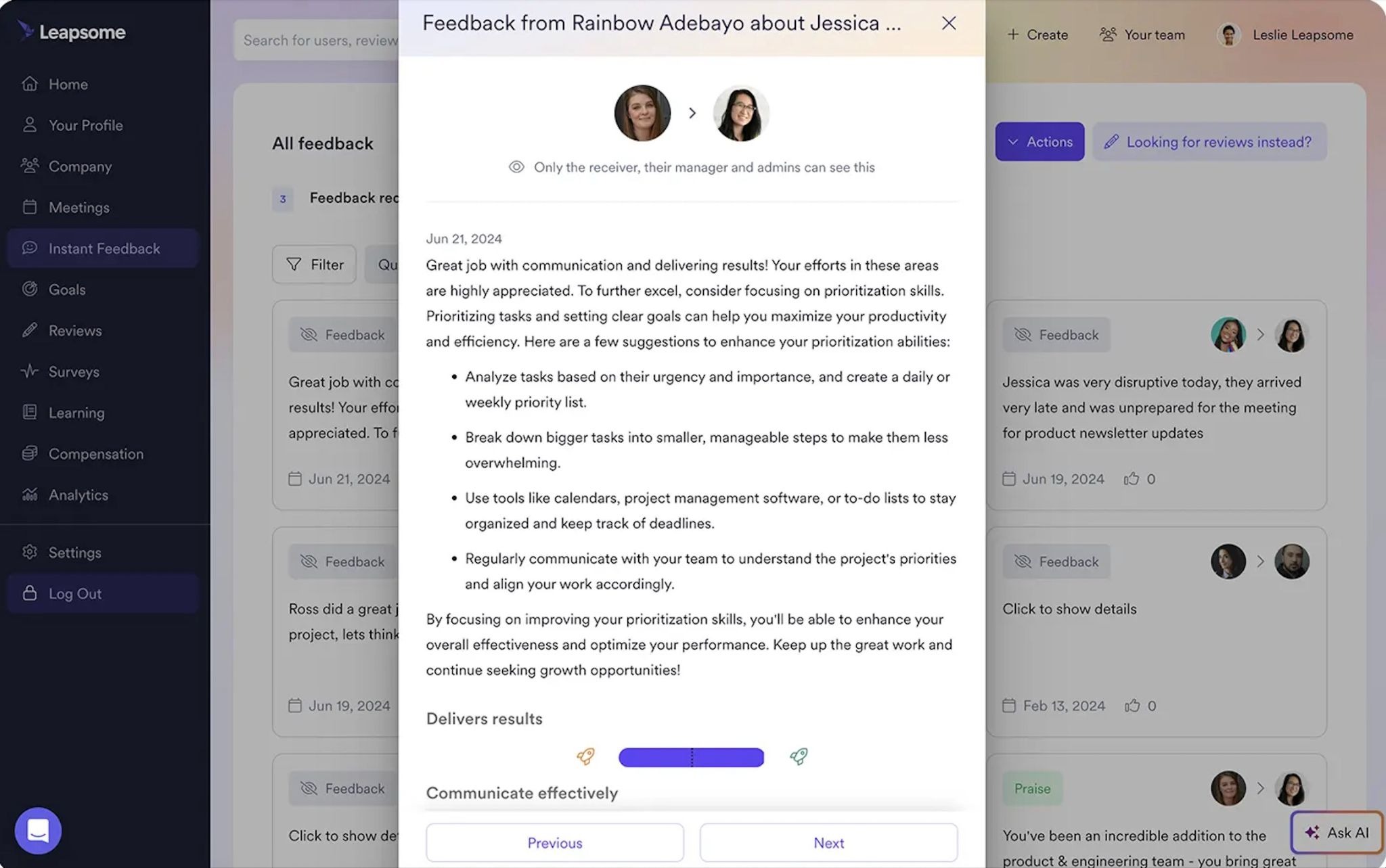
📝 Performance Reviews fair und nützlich halten, auch beim Wachstum
Mit Leapsome baut ihr ein verlässliches Performance-Review-System, das sich in Mitarbeiterdaten integriert und reibungslos über Grenzen funktioniert.
👉 Performance Reviews entdecken
Eine globale HR-Strategie aufbauen, die über Grenzen standhält: Fünf-Schritte-Guide
Wenn ihr bereit seid, eure Organisation voranzubringen, zeigen wir euch, wie ihr globale HR-Planung auf Kurs haltet.
1. Euren Standpunkt kennen
Nutzt zunächst den Rahmen aus dem vorherigen Abschnitt, um euren aktuellen Reifegrad als Organisation einzuschätzen, und identifiziert, wo ihr Verbesserungen braucht. Wenn ihr bereits in mehreren Ländern tätig seid, sucht nach Unstimmigkeiten zwischen Regionen, etwa unterschiedliche Performance-Kriterien oder Onboarding-Richtlinien.
Dann prüft eure bestehenden Systeme und erstellt eine Liste aller verfügbaren Tools. Vergleicht diese Liste mit euren aktuellen und zukünftigen Anforderungen. Compliance ist wichtig, aber prüft auch, ob euer Setup skalierbare globale People Operations unterstützt. Stellt sicher, dass ihr einheitliche Mitarbeiterdaten und Tools habt, die über ein zentralisiertes Repository integriert sind.
2. Das richtige Expansionsmodell wählen
Entscheidet, ob ihr einen Employer of Record (EOR) für globale HR-Services nutzen, lokale Geschäftseinheiten in Zielregionen gründen oder beide Ansätze kombinieren wollt.
Ein EOR vereinfacht wesentliche HR-Prozesse wie Lohnabrechnung, Benefits-Verwaltung und lokale Compliance. Der Nachteil ist, dass ihr etwas Kontrolle abgebt und Schwierigkeiten beim Bündeln eurer People-Daten haben könntet.
Eine lokale Geschäftseinheit zu gründen ist deutlich aufwändiger. Wenn ihr aber wisst, dass ihr langfristig Mitarbeitende in einer bestimmten Region einstellen und managen werdet, kann dieser Ansatz kostengünstiger sein. Außerdem behaltet ihr die vollständige Kontrolle über Prozesse und Daten.
3. Global denken, Lokales nicht vernachlässigen
Einige Dinge solltet ihr global einheitlich halten:
- Wesentliche Onboarding-Meilensteine: Stellt sicher, dass Manager überall dieselben Orientierungs- und 30/60/90-Tage-Check-in-Prozesse befolgen.
- Führungsprinzipien und Unternehmenswerte: Stellt sicher, dass Trainingsprogramme Unternehmenswerte widerspiegeln und Manager die Führungsphilosophie der Organisation verstehen.
- Performance-Frameworks: Haltet Review-Zyklen und Bewertungskriterien global einheitlich, um Unparteilichkeit zu fördern.
Aber passt euch lokalen Gegebenheiten an:
- Vertragsrecht: Ein Vertrag, der in den USA funktioniert, ist in Frankreich oder Brasilien möglicherweise nicht durchsetzbar oder sogar illegal.
- Benefits-Verwaltung: Vorschriften für Mitarbeiterleistungen variieren stark je nach Land. Ein global standardisiertes Paket anzubieten ist nicht nur ein Compliance-Risiko. Es signalisiert Mitarbeitenden auch, dass lokale Normen keine Priorität haben.
- Kommunikationsstile: Verschiedene Regionen haben unterschiedliche Standards dafür, was als professionelle Sprache gilt und wie Teammitglieder miteinander umgehen sollten.
"Bevor ihr Fehlausrichtungen behebt, sprecht mit euren Teams. Kultur ist wie ein Eisberg: Die sichtbaren Teile sind klein. Die tieferen Schichten, wie Zeitwahrnehmung oder Kommunikationsnormen, bestimmen, ob Zusammenarbeit funktioniert."
– Anita Anthonj, Co-Founderin bei Talaera
4. Eine einzige Quelle der Wahrheit schaffen
Wenn jede Region ihre eigenen Daten in Lieblingstools einspeist, gibt es keinen schnellen Weg zu organisationsweiter Transparenz bei Fluktuation oder Performance.
Fragmentierte Daten beeinflussen das Performance Management. Ohne ein System, das Reviews mit Mitarbeiterprofilen verbindet, sind Manager auf Improvisation angewiesen. Auch Papierspuren leiden darunter, was es schwierig macht zu messen, ob Beförderungen mit dokumentierten Performance-Historien übereinstimmen. Mit globaler HR-Software wie Leapsome lassen sich all diese Probleme vermeiden.
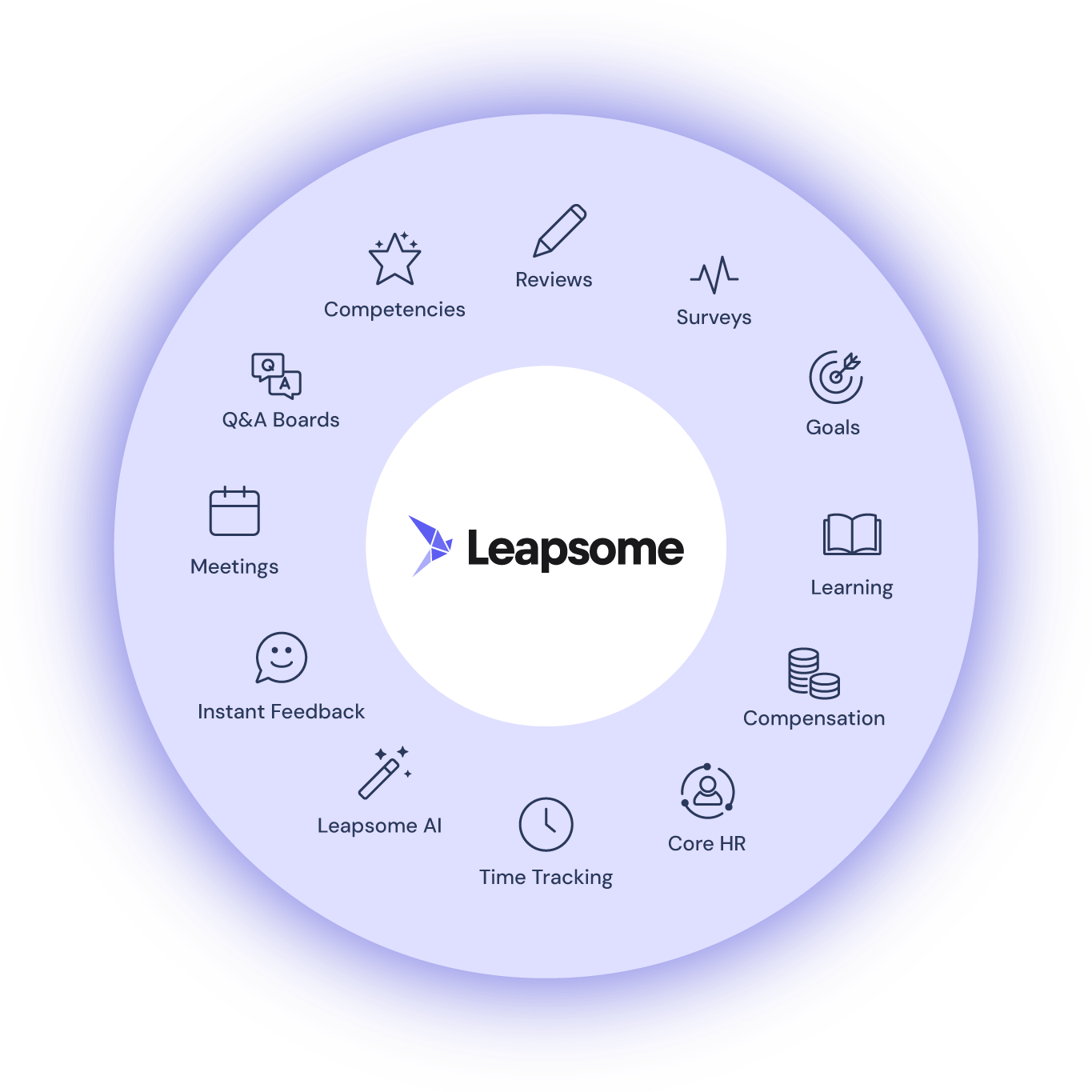
🧑💼 Globale Belegschaft unter einem Dach vereinen
Leapsomes Mitarbeiterprofile zentralisieren Rollen- und Vergütungsdaten für faires, konsistentes Mitarbeitermanagement.
👉 Mehr erfahren
5. Daten nutzen, um Drift zu erkennen
Eure globale HR-Strategie mit belastbaren Daten zu untermauern hilft euch, kulturelle Drift zu erkennen, bevor sie zum systemischen Problem wird. Erwägt, wichtige Kennzahlen zu verfolgen, wie:
- Beförderungsrate: Ein regionaler Vergleich der Beförderungsraten zeigt, wo inkonsistente Performance-Standards verborgen sind.
- Time-to-Productivity: Wenn neue Mitarbeitende in einer Jurisdiktion Performance-Ziele schneller erreichen als in anderen, solltet ihr euren Onboarding-Prozess überprüfen.
- Engagement-Rate: Wenn Umfragen zeigen, dass Mitarbeitende an einem Standort engagierter sind als an anderen, gibt es möglicherweise eine Diskrepanz bei der kulturellen Übertragung.
Herausforderungen des internationalen HR-Managements
Internationales HR-Management bringt einzigartige Herausforderungen mit sich, aber auch vertraute, die global verstärkt werden. Dazu gehören:
- Kulturelle Unterschiede: Faktoren wie Feedback-Stile und Work-Life-Balance-Normen variieren. Was in einer Region funktioniert, kann anderswo kontraproduktiv sein.
"Kulturelle Gesundheit hängt davon ab, dass Führungskräfte das Verhalten vorleben. Wenn die Spitze es nicht lebt, verlieren Middle Manager die Leidenschaft, und es wird zur Pflichtübung."
– Luck Dookchitra, ehemals VP People & Culture bei Leapsome
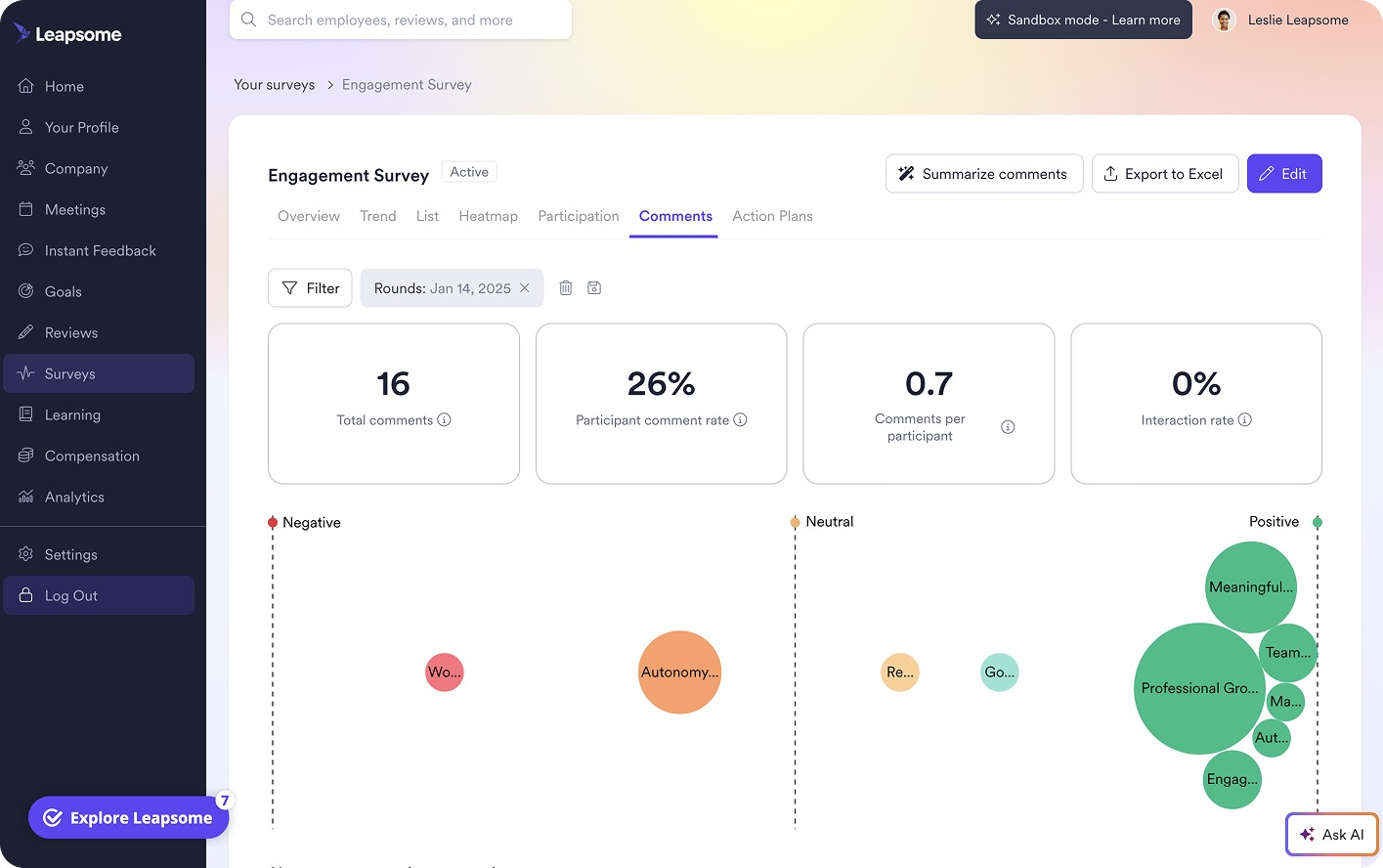
- Mitarbeiterengagement: Ohne ein starkes System werden globale Belegschaften zu inkonsistenten Employee Experiences. Die Zahlen sprechen eine klare Sprache: Nur 20 % der Mitarbeitenden geben an, sich bei der Arbeit engagiert zu fühlen. Um diese Odds zu schlagen, braucht ihr ein Tool wie Leapsome, das Engagement-Maßnahmen standardisiert und verfolgt.
📝 Den Puls eurer Belegschaft messen, von Anchorage bis Zanzibar
Leapsome bietet standardisierte Mitarbeiterumfragen mit AI-gestützten Insights, damit ihr euer Team überall einchecken könnt.
👉 Mitarbeiterumfragen entdecken
Mit Leapsome international expandieren und Wachstumsschmerzen vermeiden
Kleine und mittelgroße Organisationen brauchen keine Gebäude voller Anwälte, um ihre Belegschaft zu internationalisieren. Sie brauchen starke, skalierbare Systeme und Tools, um global verteilte Daten zu erfassen und HR-Prozesse konsistent über Regionen hinweg durchzuführen.
Leapsome hilft euch, alle Daten zu ordnen und globale Lohnabrechnung vorzubereiten, unabhängig vom Standort eures Teams. Die Plattform unterstützt über 36 Sprachen, und das ist nur der Anfang. Ihr bekommt ein zentrales Repository für alle People-Daten sowie Performance-Management-Technologie für umfassende Analysen und konsistente Durchsetzung weltweit.
"Mitarbeitende können jetzt alles an einem Ort finden: ihre Daten, Abwesenheiten, Ziele und Reviews. Ich muss nicht mehr erklären, welches Tool wofür ist. Alles ist in Leapsome." – Merilyn L., Senior People Operations Specialist bei Bob W
🌏 Globales HR-System auf ein solides Fundament stellen
Leapsomes globale HR-Lösung vereint eure People-Daten in einer zentralen Plattform für Management und Operations.
👉 Demo anfordern





.jpg)
.jpg)