Kompetenzlücken erkennen und schließen: Analyse, Vorlage und Beispiele

.jpg)
Geschäftsanforderungen verändern sich schnell, und die Kompetenzen, über die eure Belegschaft heute verfügt, reichen morgen möglicherweise nicht mehr aus. Schritt zu halten ist nicht immer einfach. Kleine und mittelgroße Unternehmen haben besonders begrenzte Ressourcen, sodass es kaum machbar ist, bei jeder auftretenden Lücke neue Mitarbeitende einzustellen.
Mit AI-Technologie als wachsendem Bestandteil vieler Arbeitsabläufe ist dieses Problem drängender denn je. AI-Tools können die Produktivität vervielfachen. Belegschaften, die sie nicht effektiv einsetzen, riskieren den Anschluss zu verlieren.
Laut unserem aktuellen Workforce Trends Report fühlen sich 38% der Mitarbeitenden nicht in der Lage, mit dem Tempo der AI-Einführung Schritt zu halten, das ihre Führungskräfte erwarten.* Falls ihr nicht sicher seid, ob das Problem eure Teams betrifft, nutzt unser AI Readiness Assessment, um herauszufinden, wo euer Unternehmen steht.
Die gute Nachricht: Während kleine und mittelgroße Unternehmen kapitalmäßig selten mithalten können, lässt sich durch klügeres Arbeiten ein echter Vorsprung erzielen. In diesem Leitfaden zeigen wir euch, wie ihr mithilfe einer Kompetenzlückenanalyse wirkungsstarke Kompetenzen priorisiert — AI-zentrierte und traditionelle — und sie direkt mit Performance und Wachstum verbindet.
*Leapsome, 2026
Was ist eine Kompetenzlückenanalyse, und wie hilft sie eurem Unternehmen?
Bei einer Kompetenzlückenanalyse, manchmal auch Talent-Gap-Analyse genannt, bewertet ihr den Unterschied zwischen den aktuellen Fähigkeiten eurer Belegschaft und dem, was sie benötigt, um gegenwärtige und zukünftige Geschäftsanforderungen zu erfüllen. Der Prozess beginnt damit, kritische Kompetenzen zu identifizieren und Daten zu vorhandenen Fähigkeiten zu sammeln. Dann zeigt sich, wo die beiden Listen auseinanderklaffen.
Eine regelmäßige Kompetenzlückenanalyse hilft HR dabei:
- Transparenz über Belegschaftskompetenzen zu gewinnen: Eine gründliche Analyse formalisiert Kompetenzdaten und strukturiert sie klar, was einen soliden Ausgangspunkt für die Personalplanung schafft.
- Mitarbeiterentwicklung zu stärken: Ihr seht genau, wo Verbesserungspotenzial liegt, und könnt gezieltere Weiterbildungsprogramme aufbauen. Laut Deloitte Insights steigern kompetenzbasierte Strategien Produktivität und Mehrwert zugleich und helfen Unternehmen zu innovieren.
- Den Bedarf an Neueinstellungen zu minimieren: Weiterqualifizierung durch Mitarbeiterentwicklungspläne ist eine kosteneffiziente Alternative zu Neueinstellungen. Die Analyse hilft euch, die geeignetsten Kandidatinnen und Kandidaten zu finden — besonders wertvoll bei knappem Budget.
Kompetenzlückenanalyse im großen Maßstab
"Wir erleben den Übergang von einer job-basierten zu einer kompetenzbasierten Wirtschaft, und AI ist der Katalysator. Sie hilft dabei, Kompetenzlücken zu identifizieren, Lernangebote zu empfehlen und Entwicklung im großen Maßstab zu personalisieren."
– Luck Dookchitra, ehemaliger VP of People and Culture bei Leapsome
Mit dem Wachstum eures Unternehmens entfaltet die Kompetenzlückenanalyse ihren größten Nutzen, wenn sie mit übergeordneten Geschäftszielen verknüpft ist. Ihr könnt euch nicht auf die Performance einzelner Mitarbeitender oder Teams konzentrieren, sondern müsst eure Analyse in einen möglichst breiten organisationalen Kontext einbetten.
Ein Beispiel: Stellt euch vor, ihr arbeitet für ein Softwareunternehmen, und euer Entwicklungsteam kommt beim AI-gestützten Programmieren nicht mit der Konkurrenz mit. Nach einer Analyse stellt ihr außerdem fest, dass das Marketing AI für Analytics-Insights nicht nutzt, während der Support Kundenanfragen manuell bearbeitet, die AI sofort lösen könnte.
Diese Analyse deckt ein größeres Problem auf: eine organisationsweite AI-Readiness-Lücke, die eine koordinierte Reaktion erfordert. Statt euch nur auf das Engineering-Problem zu fokussieren, könnt ihr gezielte AI-Upskilling-Programme, Rollenanpassungen und strategische Einstellungen nutzen, um das Kompetenzniveau im gesamten Unternehmen zu heben.
Solche systemischen Lücken zu schließen ist herausfordernd. Ihr braucht ein Tool wie Leapsome, um das Gelernte in die Praxis umzusetzen — durch gezielte, datengestützte Lernprogramme und kontinuierliches Feedback.
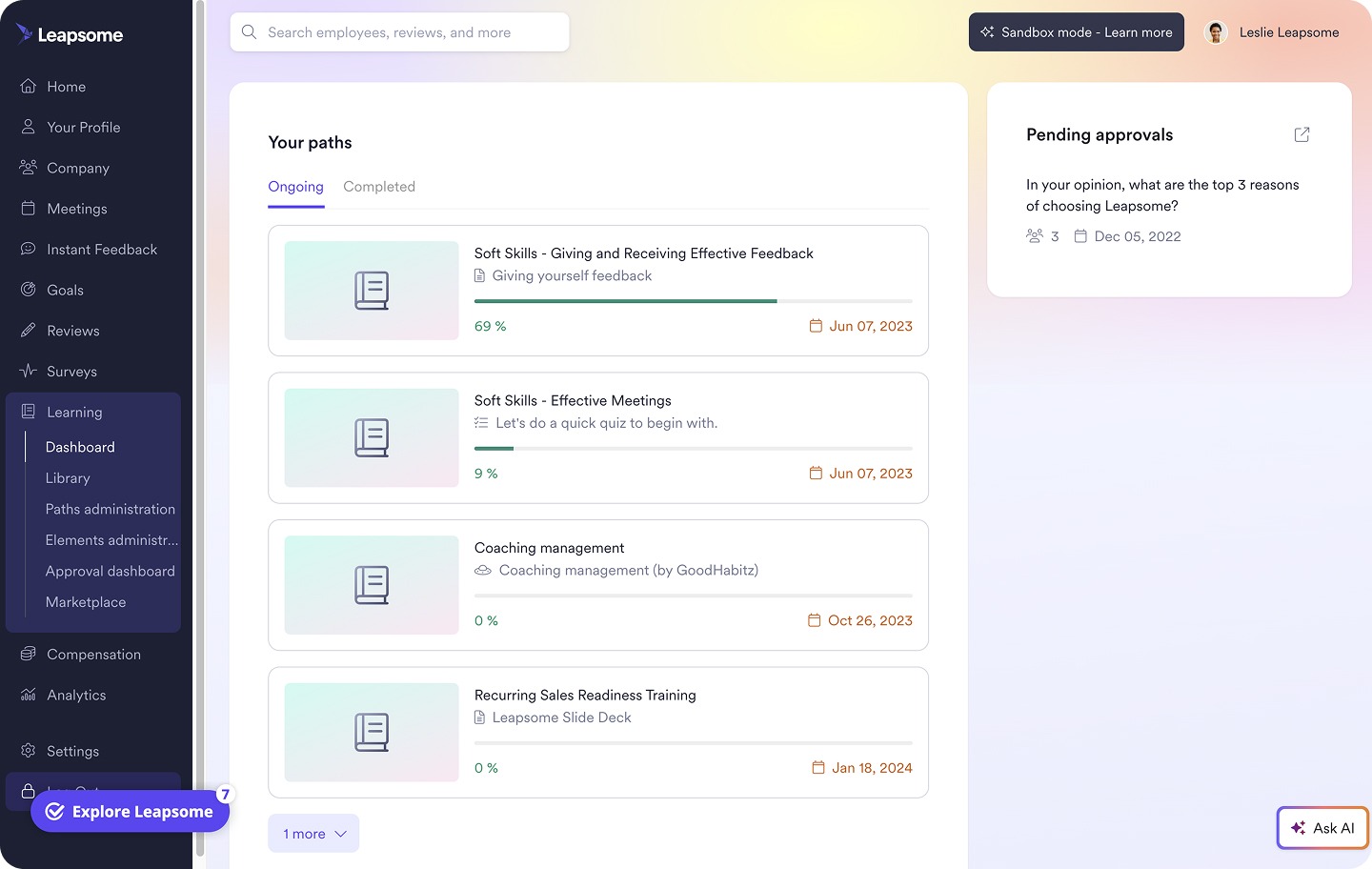
🧑🏫 Schließt Lücken schneller mit gezieltem Lernen
Leapsome verbindet personalisierte Lernpfade mit Performance-Daten und bietet Mitarbeitenden einen strukturierten Weg, Kompetenzlücken zu schließen.
👉 Entdeckt Leapsome Learning
Kompetenzlückenanalyse in drei Schritten
Laut einem LinkedIn-Business-Bericht von 2025 sagen 49% der L&D-Fachleute, dass ihre Führungskräfte glauben, Mitarbeitende hätten nicht die nötigen Kompetenzen, um Geschäftsstrategien erfolgreich umzusetzen. Um auf der richtigen Seite dieser Divide zu stehen, braucht ihr einen standardisierten, skalierbaren Prozess, den ihr auf die gesamte Belegschaft anwenden könnt.
So sieht das in der Praxis aus.
1. Kritische Kompetenzen definieren, die Geschäftsziele vorantreiben
Beginnt mit dieser Frage: Welche Kompetenzen benötigen Mitarbeitende jetzt, um ihre Rollen auszufüllen, und welche Fähigkeiten werden sie in naher Zukunft brauchen? Arbeitet mit Managerinnen und Managern sowie Mitarbeitenden zusammen, um ein vollständiges Bild zu erhalten, und wertet Performance-Feedback und Selbstbeurteilungen aus. Ergänzt eure Kompetenzliste dann durch die Auswertung von Stellenanzeigen und den Abgleich mit langfristigen Geschäftszielen.
2. Daten nutzen, um aktuelle Kompetenzen zu verstehen
"Gute Daten helfen uns, Probleme früh zu erkennen, Entwicklungsinitiativen zu planen und dem Unternehmen klare, umsetzbare Insights zurückzubringen."
– Victor Tomas, Learning and Development Specialist bei Swapfiets
Sammelt als Nächstes so viele Daten wie möglich über die vorhandenen Kompetenzen eurer Belegschaft. Wertet Performance-KPIs und Umfrageergebnisse aus, zusammen mit allem, was zusätzlichen Kontext liefern könnte. Um möglichst zuverlässige Daten für eure Kompetenzlückenanalyse zu erhalten, nutzt Software wie Leapsome, um Mitarbeiterdaten zu zentralisieren und einheitlich zu halten.
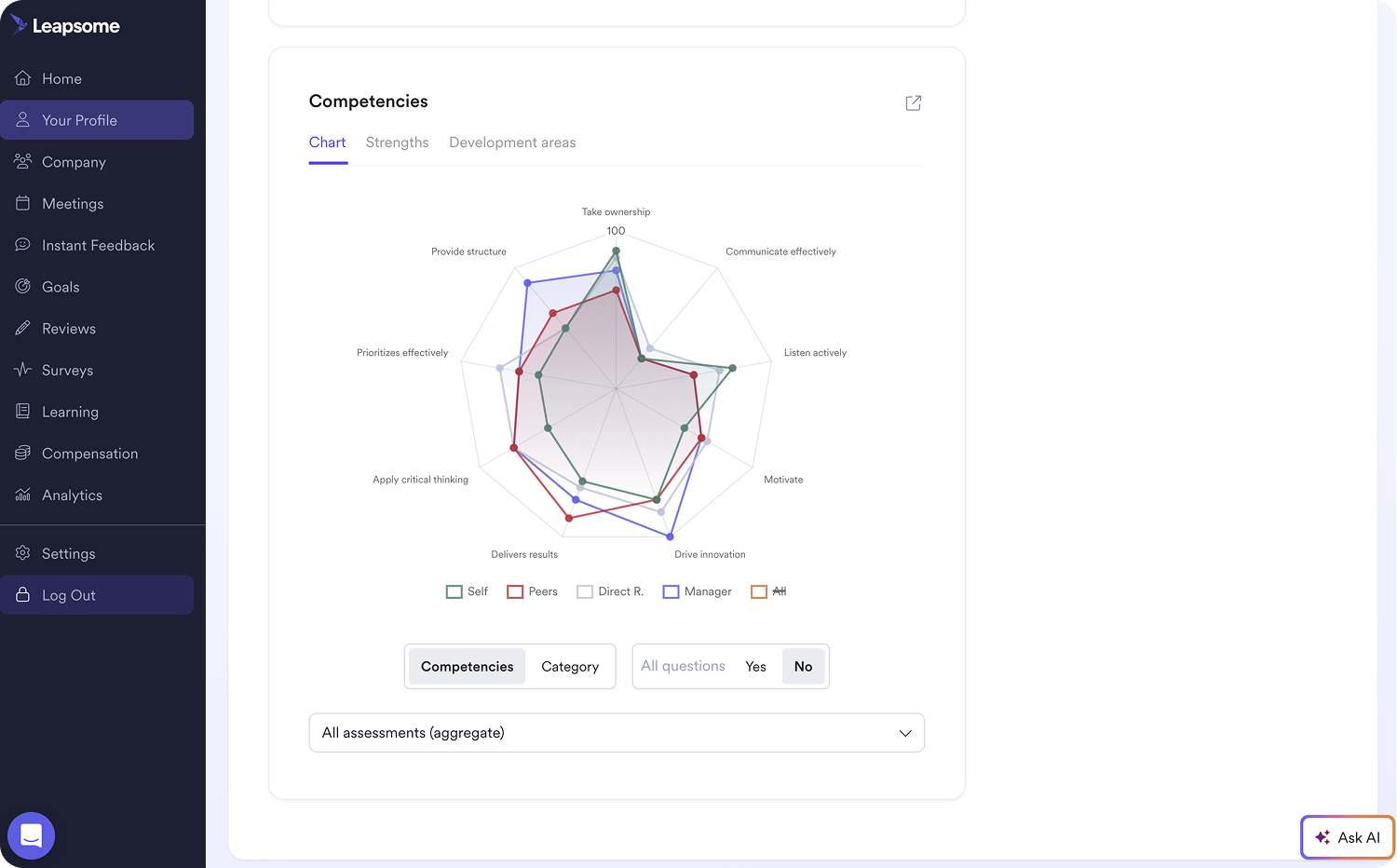
🖼️ Gewinnt einen vollständigen Überblick über Belegschaftskompetenzen
Standardisiert Definitionen und strukturiert Bewertungsdaten, damit eure Kompetenzlückenanalyse auf organisationsweiter Transparenz basiert.
👉 Entdeckt Leapsomes Kompetenzmodell
3. Wichtige Kompetenzlücken priorisieren und schließen
Sobald ihr alle benötigten Informationen beisammen habt, nutzt das Priorisierungs-Framework im nächsten Abschnitt (oder entwickelt euer eigenes), um Kompetenzlücken nach Dringlichkeit zu gewichten. Deloitte Insights berichtet, dass die erfolgreichsten Unternehmen sich auf sorgfältig ausgewählte Kompetenzen mit hoher Priorität konzentrieren. Bewertet, wie zeitkritisch jede Lücke ist und welche Auswirkungen sie auf die Gesamtziele und Performance des Unternehmens hat. Priorisiert danach.
"Die wichtigste Kennzahl ist die Performance des Unternehmens. Alles andere, Engagement, Stimmung, sollte ihr dienen."
– Luck Dookchitra, ehemaliger VP of People and Culture bei Leapsome
Mit eurem Kompetenzlücken-Analysebericht in der Hand seid ihr bereit zu handeln. Ihr könnt gezielte Trainingsprogramme für bestehende Teammitglieder entwickeln oder Rollen neu zuschneiden, damit Kompetenzen und Anforderungen besser zusammenpassen. Für beste Ergebnisse bindet möglichst viele Stakeholder ein und trackt die Auswirkungen eurer Maßnahmen umfassend.
Die Analyse dort fokussieren, wo sie wirklich zählt
Selbst mit einem strukturierten Prozess stehen kleine und mittelgroße Unternehmen oft vor zu vielen Kompetenzlücken und tun sich schwer mit der Priorisierung. Ein explizites Priorisierungs-Framework hilft, durch das Rauschen zu schneiden.
"Wählt die Hebel, die das Unternehmen voranbringen, und lasst den Rest los. Wenn ihr euren Fahrplan teilt und eure Entscheidungen erklärt, baut ihr Vertrauen auf, und die Leute beginnen, HR als strategisch statt reaktiv wahrzunehmen."
– Emma Leeds, Gründerin, CEO und Chief People Consultant bei People Function
Dieses schnelle Framework führt euch zu den wirkungsvollsten Kompetenzen, damit ihr wisst, was ihr zuerst angehen sollt:
- Geschäftsauswirkung: Beeinflusst diese Kompetenz direkt Umsatz, Performance oder strategische Ziele? Wenn ja, ist ihr Geschäftsimpact wahrscheinlich hoch.
- Rollenabhängigkeit: Welche Rollen benötigen diese Kompetenz für erfolgreiche Ausführung? Eine Fähigkeit, die für eine wirkungsstarke Rolle unbedingt erforderlich ist, ist meist kritischer als eine, die nur Junior-Teammitglieder brauchen.
- Dringlichkeit: Was kostet es, diese Kompetenz nicht zu adressieren? Eine Cybersecurity-Lücke bei einer Belegschaft, die mit sensiblen Kundendaten arbeitet, erfordert möglicherweise sofortige direkte Intervention durch interne Trainingsprogramme oder externe Einstellungen.
Eine Vorlage für die Kompetenzlückenanalyse
Eine Checkliste hilft euch, die Analyse zu strukturieren, damit nichts durchs Raster fällt. Wir haben eine zusammengestellt, damit ihr direkt loslegen könnt, plus ein Arbeitsblatt für die Analyse mit euren Mitarbeitenden.
☑️ Behaltet eure Kompetenzlückenanalyse im Blick
Holt das Beste aus eurer nächsten Analyse mit dieser einfach nutzbaren Vorlage.
👉 Vorlage herunterladen
Macht die Kompetenzlückenanalyse mit Leapsome zu einem skalierbaren, wirkungsstarken Prozess
Kompetenzlücken zu identifizieren ist nur die halbe Miete. Ihr müsst herausfinden, was fehlt, und zugleich entscheiden, welche Lücken ihr in welcher Reihenfolge schließt. Das ist schwierig, wenn ihr mit begrenzten Ressourcen und fragmentierten Daten kämpft, die die Transparenz über die Belegschaft einschränken. Ohne die richtigen Tools riskiert ihr, von der Analyse direkt zu zeitaufwendigen Entwicklungsprogrammen zu springen, die kaum Wirkung haben.
Leapsome kombiniert HRIS- und People-Strategy-Funktionen und hilft euch, Datenerhebung und Kompetenzmodelle zu standardisieren. So könnt ihr wirkungsstarke Lücken leichter erkennen und sie direkt mit Lernen und Entwicklung verknüpfen. Mit anderen Worten: Ihr ersetzt lose Bewertungen durch eine direkte, strukturierte Pipeline vom Identifizieren der Lücke bis zur echten Maßnahme.
"Meine primären Ziele waren, eine kontinuierliche Feedbackkultur aufzubauen, Gespräche über Performance zu verbessern und Kompetenzen im gesamten Unternehmen besser zu verstehen." – Nadja Kaderli, People and Culture Manager
💻 Holt euch intelligente Personalplanungs-Tools
Vernetzt Kompetenzdaten der Mitarbeitenden und erstellt gezielte persönliche Entwicklungspläne, um Lücken zu schließen und eure Belegschaft zu stärken.
👉 Demo buchen

.jpg)