Workforce-Planning-Vorlage: Kostenloser Download für eine zukunftsfähige Belegschaft


Die meisten Workforce-Pläne beginnen mit derselben Grundfrage: Wie viele Menschen müssen wir einstellen? Doch Headcount ist selten das ganze Problem. Ein Team braucht vielleicht mehr Kapazität, einen fehlenden Skill oder klarere Rollen. Neueinstellungen können helfen, sind aber nicht die Antwort auf alles.
73 % der Organisationen betreiben operatives Workforce Planning, doch nur 12 % der HR-Führungskräfte planen strategisch mit einem Zeithorizont von mindestens drei Jahren (McKinsey).* Das führt dazu, dass viele HR-Teams erst auf Kompetenzlücken reagieren, die dem Geschäft bereits geschadet haben.
Leapsomes kostenlose Workforce-Planning-Vorlage hilft euch zu verstehen, wo eure Belegschaft heute steht und was sie als Nächstes braucht. Sie stößt außerdem ein sinnvolleres Gespräch an: Solltet ihr einstellen, jemanden intern weiterentwickeln oder überdenken, wie die Arbeit erledigt wird? Das hilft HR, sich vorzubereiten, bevor die nächste dringende Einstellungsanfrage eintrifft.
* McKinsey, 2025
Was ist eine strategische Workforce-Planning-Vorlage und warum ist sie wichtig?
„HR wird bei strategischen Zielen oft vergessen, dabei sind wir für die Geschäftsergebnisse genauso entscheidend wie jede andere Funktion. Der erste Schritt ist, genau zu definieren, was wir mit unserer People-Strategie erreichen wollen, dann sollte sich alles andere an diesen messbaren Zielen ausrichten.“
Monica Sarkar, Co-Founder, Purple Umbrella
Workforce Planning ist der Prozess, mit dem ihr festlegt, was das Unternehmen erreichen will und was es dafür braucht. Eine strategische Workforce-Planning-Vorlage macht diesen Prozess einfacher. Sie hilft HR, die aktuelle Kapazität mit dem zukünftigen Bedarf zu vergleichen und die Erkenntnisse in fundierte Talententscheidungen umzuwandeln.
Eine gute Vorlage hilft HR dabei:
- Zukünftigen Personalbedarf vorhersagen: Übersetzt Unternehmensziele in klarere Erwartungen an zukünftige Rollen und Workforce-Kapazität.
- Skill-Lücken erkennen, bevor sie das Geschäft stören: Identifiziert, wo Teams die nötigen Skills oder Kapazitäten fehlen, solange noch Zeit zum Reagieren bleibt.
- Talententscheidungen mit der Unternehmensstrategie verknüpfen: Gebt Führungskräften eine bessere Grundlage für die Entscheidung, ob sie extern einstellen oder bestehende Mitarbeitende weiterentwickeln.
Denkt daran, dass sich Unternehmensprioritäten im Laufe des Jahres ändern und sich der Kompetenzbedarf entsprechend mitverändert. HR sollte den Plan aktualisieren, sobald neue Informationen vorliegen. Sonst treffen Führungskräfte womöglich weiterhin Entscheidungen für eine Version des Unternehmens, die es gar nicht mehr gibt.
Kostenlose Workforce-Planning-Vorlage: Wofür sie genutzt wird
Workforce Planning beginnt oft mit widersprüchlichen Interessen. Finance setzt die Budgetgrenzen, Abteilungsleitende reichen Einstellungsanfragen ein, und HR versucht, beides mit möglicherweise veralteten Workforce-Daten in Einklang zu bringen.
Eine gute Vorlage verknüpft jede Anfrage mit einem Geschäftsbedarf und gibt HR eine klarere Grundlage für die nächsten Schritte.
📋 Bringt Struktur in euer nächstes Workforce-Planning-Gespräch
Nutzt unsere kostenlose Vorlage, um Input aus dem gesamten Unternehmen zu strukturieren und in einen praktischen Workforce-Plan zu verwandeln
👉 Jetzt die Workforce-Planning-Vorlage herunterladen
Was sollte eine Workforce-Planning-Vorlage enthalten?
„Kennt euer Zielergebnis, messt den Fortschritt und führt ein Dashboard: So bleiben People-Teams auf Strategie fokussiert, nicht nur auf das Tagesgeschäft.“
Luck Dookchitra, VP People & Culture, Leapsome
Eine nützliche Workforce-Planning-Vorlage sollte Folgendes enthalten:
- Der Grund hinter jeder Personalanfrage: Haltet das Ergebnis fest, das ein Team liefern muss, sowie eine Deadline. Dokumentiert anschließend die Arbeitslast oder Kompetenz, die das Unternehmen benötigt. Das verhindert unbegründete und teure Einstellungsanfragen.
- Die Lücke und der beste Weg, sie zu schließen: Legt fest, ob dem Team Kapazität oder ein bestimmter Skill fehlt. Bewertet anschließend, ob ihr internes Talent weiterentwickelt oder extern rekrutiert. Möglicherweise stellt ihr auch fest, dass die Versetzung eines Mitarbeitenden oder die Neugestaltung einer Rolle das Problem löst.
- Ein genauer Blick auf die aktuelle Belegschaft: Erfasst Mitarbeiterzahlen und Rolleninformationen für jedes Team. Ergänzt Berichtsstrukturen und bekannte Personalveränderungen, wo relevant. Weist den Daten eine Quelle und ein Verifizierungsdatum zu, damit Planende verlässliche Informationen von veralteten Annahmen unterscheiden können. Zentralisierte Mitarbeiterprofile machen diesen Abschnitt leichter zu pflegen, wenn das Unternehmen wächst.
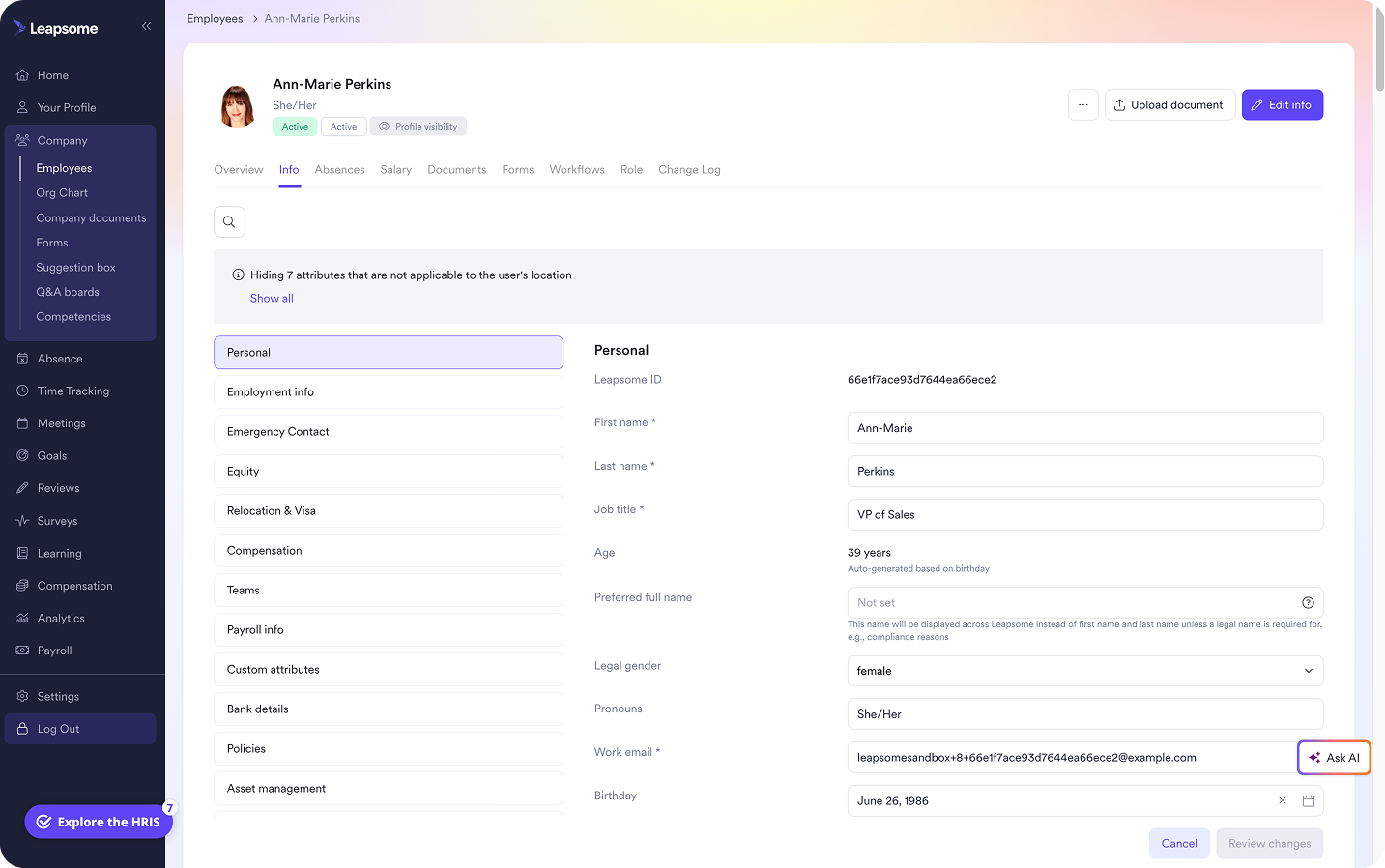
🗂️ Gebt eurem Workforce-Plan einen verlässlichen Ausgangspunkt
Leapsome Employee Records hält Workforce-Informationen und Organisationsstrukturen an einem Ort, sodass HR auf Basis konsistenter Daten statt einzelner Tabellen plant.
👉 Employee Records entdecken
Euer Workforce-Plan sollte nicht mit einer Einstellung beginnen
„In HR zu arbeiten heißt nicht, dass man nicht Teil des Unternehmens ist. Der Wandel besteht darin zu erkennen, dass jede Taktik (Einstellungen, L&D, Benefits) auf die Unternehmensstrategie und die Ergebnisse einzahlen muss.“
Luck Dookchitra, VP People & Culture, Leapsome
Eine Workforce-Lücke rechtfertigt nicht automatisch eine neue Rolle. Sie zeigt euch, dass dem Unternehmen etwas fehlt. Das kann zusätzliche Kapazität sein, aber genauso gut ein fehlender Skill.
Wer jede Lücke als Recruiting-Problem behandelt, verstrickt das Unternehmen in einen teuren Kreislauf. Jede neue Kompetenz löst eine weitere Stellenanfrage aus, während Führungskräfte bestehende Mitarbeitende mit Entwicklungspotenzial übersehen. Dieser Ansatz wird umso schwerer haltbar, je stärker sich Rollen weiterentwickeln. Das World Economic Forum berichtet, dass Arbeitgebende erwarten, dass sich 39 % der Kernkompetenzen von Mitarbeitenden bis 2030 verändern werden. Nur wenige Unternehmen können sich leisten, so viel Wandel über Neueinstellungen abzufangen.
„Der Zweck einer HR-Funktion ist es, eine People-Strategie zu entwickeln, die die Unternehmensziele so wirksam wie möglich vorantreibt. Es beginnt beim Unternehmen, und von dort aus baut man die People-Strategie auf.“ Melanie Naranjo, Chief People Officer, Ethena
Eine Headcount-Planning-Vorlage sagt euch vielleicht, wie viele Rollen ihr hinzufügen solltet. Ein umfassenderer Workforce-Plan fragt, ob eine neue Rolle überhaupt die richtige Antwort ist. Bevor ihr eine Stelle öffnet, solltet ihr vier Möglichkeiten in Betracht ziehen:
- Build: Entwickelt Mitarbeitende weiter, die bereits relevante Erfahrung oder angrenzende Skills mitbringen. Das funktioniert am besten, wenn die Kompetenz wichtig ist und das Unternehmen genug Zeit hat, eine sinnvolle Entwicklung zu unterstützen.
- Buy: Rekrutiert extern, wenn die Kompetenz intern nicht existiert und das Unternehmen sie langfristig braucht. Führungskräfte sollten klar benennen, welchen Mehrwert externes Talent bringt, bevor sie die damit verbundenen Kosten und den Zeitaufwand akzeptieren.
- Borrow: Holt euch bei dringendem, aber wahrscheinlich vorübergehendem Bedarf externe Fachkräfte auf Zeit ins Team. Eine befristete Lösung hilft dem Unternehmen außerdem zu testen, ob es überhaupt eine feste Rolle braucht.
- Redesign: Verändert die Rolle oder verteilt die Arbeit neu, wenn die Lücke auf schlechtes Rollendesign zurückzuführen ist. Eine weitere Person zu einem kaputten Workflow hinzuzufügen, erhöht meist nur die Kosten, ohne den Engpass zu beheben.
Dieses Framework gibt HR eine nützlichere Möglichkeit, eine Einstellungsanfrage zu hinterfragen. „Wir brauchen noch eine Führungskraft“ kann zum Beispiel auf fehlende Führungskapazität hindeuten, aber genauso gut zeigen, dass aktuelle Führungskräfte mehr Entwicklung brauchen. Ein Team, das nach einem Data Specialist fragt, hat vielleicht schon jemanden mit Analyse-Skills im Team, der das benötigte Tool erlernen könnte.
Jedes Workforce-Planning-Beispiel bringt Trade-offs mit sich. Interne Kompetenzen aufzubauen braucht Zeit, und Mitarbeitende brauchen die richtige Unterstützung, wenn ihre Verantwortung wächst. Externe Fachkräfte bieten Flexibilität, aber wer Kernaufgaben dauerhaft an Contractors auslagert, baut keine nachhaltige Expertise im Unternehmen auf.
Das ist der Wert des Frameworks. Es zwingt Führungskräfte, die Kompetenzlücke zu prüfen, bevor Headcount zur automatischen Antwort wird. Damit HR diese Entscheidung gut steuern kann, muss ein Workforce-Plan die Skills der Mitarbeitenden genauso engmaschig verfolgen wie offene Rollen. Mit einem klaren Blick auf bestehende Stärken und Entwicklungspotenzial in einem zentralisierten HRIS wie Leapsome kann HR empfehlen, wie sich die Lücke schließen lässt, statt eine weitere Einstellung nur zu genehmigen oder abzulehnen.
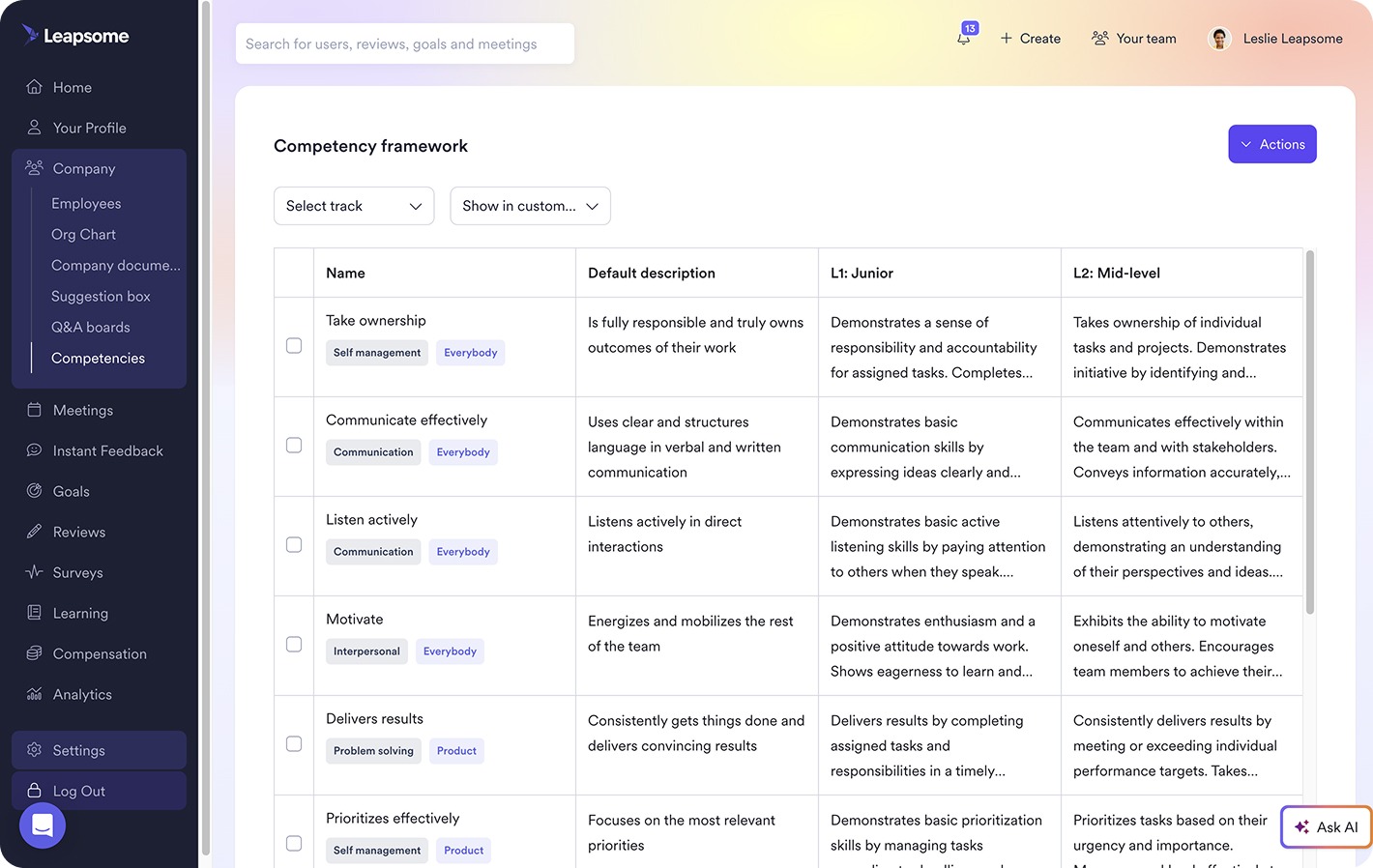
🧩 Erkennt die Kompetenz, bevor ihr die Stelle finanziert
Leapsome Competencies hilft HR, vorhandene Skills abzubilden und Entwicklungspotenzial aufzudecken, sodass Workforce-Entscheidungen beim bereits vorhandenen Talent im Unternehmen ansetzen.
👉 Competency Framework entdecken
Baut mit Leapsome einen smarteren Workforce-Planning-Prozess auf
Den meisten HR-Teams fehlen keine Workforce-Daten. Das Problem beginnt, wenn die Beantwortung einer einfachen Frage („Brauchen wir wirklich eine neue Einstellung?“) tagelanges Wühlen durch diese Daten erfordert. HR prüft Mitarbeiterprofile in einer Plattform, sucht Skill-Daten in einem anderen System und fragt Führungskräfte, welche Mitarbeitenden bereit für den nächsten Schritt sein könnten. Bis das vollständige Bild zusammenkommt, wirkt die Einstellungsanfrage bereits dringend. Zu diesem Zeitpunkt geht es beim Workforce Planning weniger darum, die beste Antwort zu wählen, als darum, die Rolle schnell zu besetzen.
Leapsome bringt diese Informationen in eine vernetzte Plattform, sodass HR den Personalbedarf neu bewerten kann, sobald sich Prioritäten verschieben, statt eine weitere Runde Datensammlung zu starten. So bleibt Workforce Planning auf die richtige Antwort fokussiert statt aufs bloße Besetzen von Stellen. Mit Leapsome können Teams:
- Mit einem aktuellen Blick auf die Belegschaft starten: Employee Records hält Rollen und Berichtslinien aktuell und gibt HR eine verlässliche Grundlage, um zu bewerten, wo Kapazität vorhanden ist.
- Nach Skills suchen, bevor eine Rolle geöffnet wird: Competencies zeigen, welche Kompetenzen intern bereits vorhanden sind und wo gezielte Entwicklung die Lücke schließen könnte.
- Mitarbeitende identifizieren, die bereit für den nächsten Schritt sein könnten: Performance-Insights und Entwicklungsziele helfen HR zu bewerten, ob eine interne Versetzung den Geschäftsbedarf decken könnte.
„Bevor wir mit Leapsome gearbeitet haben, haben wir ein OKR-Pilotprojekt durchgeführt und die Methode in etwa 40 Teams getestet, wobei wir alles in Excel erfasst haben. Als wir uns entschieden, OKRs für die gesamte Organisation zu skalieren, zeigten die Erfahrungen unserer Teams aus diesem Pilotprogramm, dass Excel nicht das richtige Tool für uns ist. Wir suchten außerdem nach einem Tool, mit dem wir OKRs neben anderen wichtigen Zielen anzeigen könnten, zum Beispiel individuellen Entwicklungszielen.“ Marie-Claire Haag-Fundinger, Organizational Change Expert, Generali Switzerland
🏗️ Baut die Belegschaft auf, die eure Strategie braucht
Leapsome verknüpft eure Workforce-Daten mit den Kompetenzen eurer Mitarbeitenden, sodass eine Einstellung zur informierten Entscheidung wird statt zur automatischen Antwort.
👉 Demo buchen
FAQ
Wie hilft eine Workforce-Planning-Vorlage dabei, den Personalbedarf vorherzusagen?
Eine Workforce-Planning-Vorlage vergleicht eure aktuelle Belegschaft mit den Menschen und Skills, die das Unternehmen braucht, um zukünftige Ziele zu erreichen. Das hilft HR, wahrscheinliche Engpässe frühzeitig zu erkennen und zu entscheiden, ob eine Lücke eine Neueinstellung oder interne Entwicklung erfordert. Wenn sich der Unternehmensbedarf ändert, kann HR die Annahmen hinter der Prognose aktualisieren und den Personalplan anpassen, bevor Teams an ihre Grenzen kommen.