Beste Mitarbeiterdatenbank-Software: Vorteile und Anwendungsfälle


Tabellen können eine praktische Möglichkeit sein, Mitarbeiterdaten zu verwalten, wenn eure Organisation noch klein ist. Doch je mehr euer Team wächst, desto schwerer wird es, jeden Datensatz aktuell zu halten. Mitarbeiterdatenbank-Software ist der logische nächste Schritt, um diesen Aufwand zu reduzieren und Fehlerquellen zu beseitigen.
McKinsey schätzt, dass Unternehmen zwei Drittel der aktuellen HR-Aufgaben automatisieren könnten, doch nur rund 5 % integrieren neue Technologien routinemäßig in ihre HR-Funktionen.* Mitarbeiterdaten in eine einzige Plattform zu verschieben, macht sie nicht automatisch nützlich. Ihr Wert hängt davon ab, ob HR und Führungskräfte den Informationen genug vertrauen, um danach zu handeln.
Die beste Mitarbeiterdatenbank-Software schafft eine verlässliche Grundlage für Entscheidungen entlang des gesamten Mitarbeiterlebenszyklus. Dieser Leitfaden erklärt, welche Funktionen wichtig sind, und vergleicht fünf führende Plattformen für wachsende Unternehmen.
* McKinsey HR Monitor, 2026
Wichtige Funktionen von Mitarbeiterdatenbank-Software
„Achtet auf eine einzige Plattform, die eure wichtigsten Anforderungen abdeckt und sich in euren Stack integrieren lässt. Verteilt eure Daten nicht auf 10 oder 20 unverbundene Tools.“
Katerina Arsova, Head of People & Talent Operations & Partnerships, Leapsome
Eine lange Funktionsliste kann fast jede HR-Datenbank-Software leistungsfähig wirken lassen. Ein besserer Test ist, ob die Plattform Mitarbeiterdaten zuverlässig hält, während Menschen sich durch die Organisation bewegen. Priorisiert Funktionen, die manuelle Aktualisierungen reduzieren und die Unterlagen neuer Mitarbeitender mit der Arbeit von HR verbunden halten.
Hier sind die wichtigsten Funktionen, auf die ihr achten solltet:
- Mitarbeiterdatensätze und Dokumentenmanagement: Die Plattform sollte euren Mitarbeitenden jeweils ein strukturiertes Profil bieten, verknüpft mit den relevanten Dokumenten. Bewährte Praktiken im HR-Dokumentenmanagement beginnen mit klaren Zugriffsrechten und verlässlichen Versionshistorien. Achtet auf anpassbare Felder, mit denen ihr jedes Profil individuell gestalten könnt, ohne für jedes Team oder jeden Standort separate Dateien anzulegen.
- Reporting, Compliance und Workforce Insights: Eure Software sollte euch helfen, fehlende Informationen zu erkennen und Änderungen im Zeitverlauf nachzuverfolgen. Außerdem sollte sie es einfach machen, Workforce-Reports zu erstellen, ohne sie aus mehreren Tabellen neu zusammenzusetzen.
- Workflow-Automatisierung und Lifecycle-Management: Automatisierte Workflows helfen HR, Aufgaben voranzubringen, ohne bei jeder Einstellung oder Änderung dieselben Schritte zu wiederholen. Leapsome nutzt beispielsweise die Daten neuer Mitarbeitender, um Onboarding-Aufgaben zu starten und die richtigen Teams zu benachrichtigen. Das reduziert manuelle Übergaben und sorgt für einen einheitlichen Start für alle Mitarbeitenden.
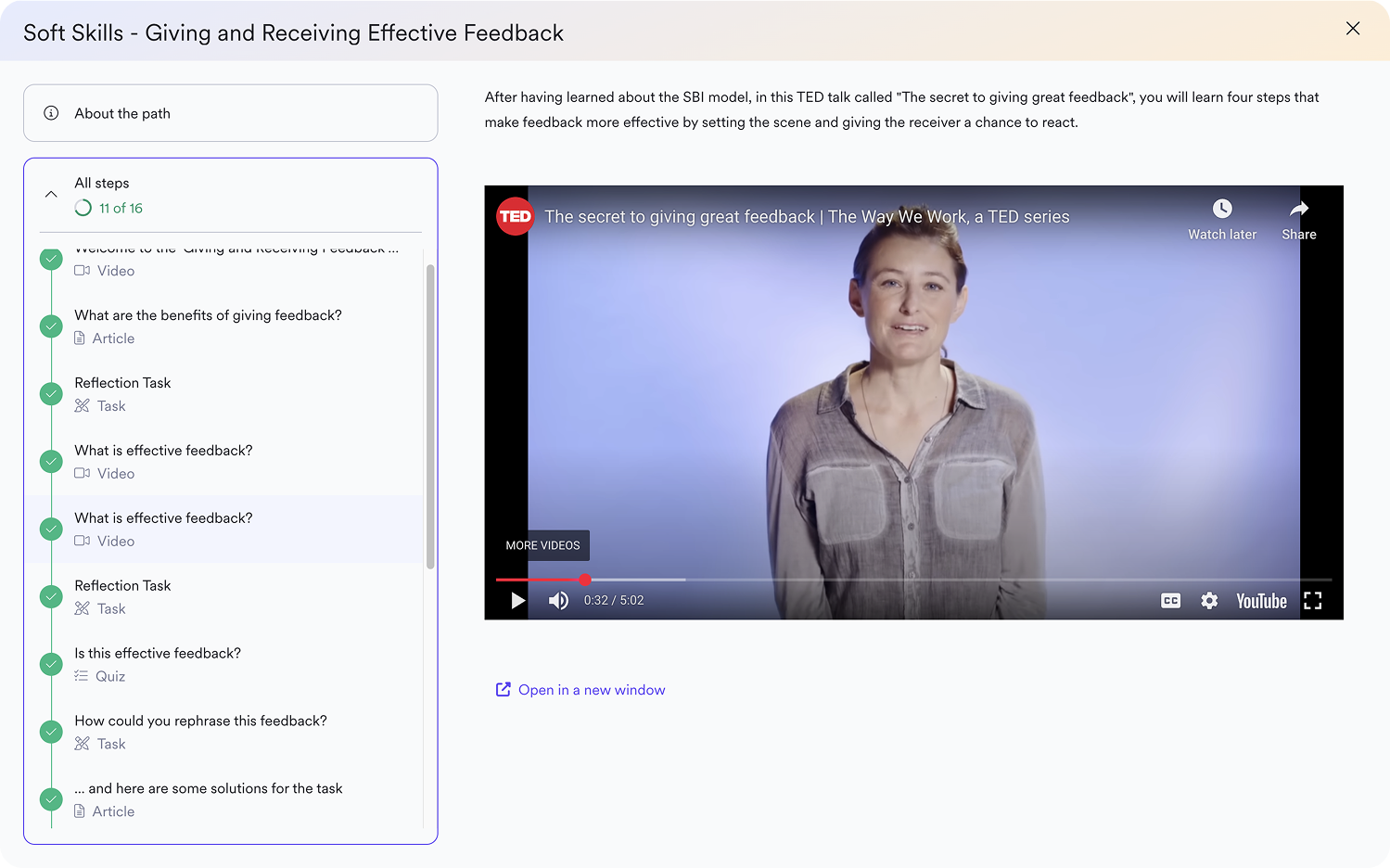
🏃 Macht Mitarbeiterdaten nutzbar
Leapsome erstellt einheitliche Onboarding-Workflows aus einer verlässlichen Quelle für Mitarbeiterdaten.
👉 Entdeckt Preboarding and Onboarding
Die 5 besten Mitarbeiterdatenbank-Tools für wachsende Unternehmen
Die richtige Software für die Verwaltung von Mitarbeiterdatensätzen hängt davon ab, wie euer HR-Team Mitarbeiterdaten nutzt. Ein kleineres Unternehmen legt möglicherweise Wert auf unkomplizierte Datensatzverwaltung und schnelle Einführung. Eine globale Organisation braucht eventuell komplexere Workflows, während ein wachsendes People-Team Mitarbeiterdatensätze mit Performance und Entwicklung verknüpfen möchte.
Die folgenden Beispiele für Datensatzverwaltungs-Software decken unterschiedliche Anforderungen ab und zeigen, wo jede Plattform besonders stark ist.
1. Leapsome
Leapsome kombiniert zentralisierte Mitarbeiterdatensatzverwaltung mit einer umfassenderen People-Enablement-Plattform. Es eignet sich für Organisationen, die eine verlässliche Datengrundlage möchten, um die tägliche HR-Arbeit zu steuern und Talententscheidungen zu unterstützen.
Ideale Anwendungsfälle:
- Wachsende Organisationen, die separate HRIS- und Talent-Tools ablösen.
- People-Teams, die Mitarbeiterdatensätze mit Performance-Prozessen verknüpfen.
- Verteilte Unternehmen, die Workflows standardisieren.
Wichtigste Stärken:
- Anpassbare Mitarbeiterprofile mit individuellen Feldern.
- Granulare Berechtigungen basierend auf Nutzerrollen.
- Mitarbeiterdaten verknüpft mit Performance, Engagement und Learning.
Einschränkung: Leapsome unterstützt die Lohnabrechnungsvorbereitung und Anbieterintegrationen, verarbeitet die Lohnabrechnung selbst jedoch nicht nativ.
2. BambooHR
BambooHR bietet eine intuitive HR-Plattform, die vor allem für Teams entwickelt wurde, die ein einfaches, zentralisiertes System für Mitarbeiterinformationen möchten. Sie bringt Mitarbeiterinformationen und routinemäßige HR-Prozesse in eine benutzerfreundliche Oberfläche.
Ideale Anwendungsfälle:
- Kleine und mittelgroße Unternehmen, die sich von Papierakten lösen.
- Schlanke HR-Teams, deren Mitarbeitende routinemäßige Profilaktualisierungen per Self-Service selbst vornehmen sollen.
- Organisationen, die Core HR zusammen mit Recruiting und Onboarding suchen.
Wichtigste Stärken:
- Individuelle Reports und Dashboards auf Basis von Mitarbeiterdaten.
- Elektronische Signaturen mit Status-Tracking für unterschriebene Dokumente.
- Onboarding-Checkliste mit Fortschritts-Dashboards.
Einschränkung: Die pauschale monatliche Preisgestaltung von BambooHR kann für kleine Teams happig sein, besonders wenn Funktionen wie Payroll, Time Tracking und Benefits-Verwaltung hinzukommen.
3. Rippling
Rippling ist eine Workforce-Management-Plattform, die HR, Payroll und IT-Administration abdeckt. Sie eignet sich gut, wenn Mitarbeiteränderungen automatische Aktionen in mehreren Systemen auslösen sollen.
Ideale Anwendungsfälle:
- Unternehmen, die HR- und IT-Prozesse koordinieren.
- Globale Teams, die Mitarbeitende in mehreren Ländern verwalten.
- Operations-Teams mit detaillierten Automatisierungsanforderungen.
Wichtigste Stärken:
- Workflows, die durch Mitarbeiterfelder oder Datensatzänderungen ausgelöst werden.
- App-Zugriff verknüpft mit Onboarding und Offboarding.
- Genehmigte Zeiterfassungsdaten, die direkt in Rippling Payroll einfließen.
Einschränkung: Ripplings modularer Aufbau lässt Unternehmen einzelne Produkte auswählen, aber die Gesamtkosten können steigen, wenn Teams ihr Setup erweitern.
4. Workday
Workday Human Capital Management (HCM) ist eine Enterprise-Plattform für komplexe, globale Belegschaften. Sie unterstützt Core HR neben Talent Management und Workforce Planning.
Ideale Anwendungsfälle:
- Große globale Unternehmen, die HR-Prozesse über Geschäftsbereiche hinweg standardisieren.
- Organisationen, die Personalentscheidungen mit der Finanzplanung verknüpfen.
- Unternehmen, die detaillierte Personalplanung auf Basis von Skills, Rollen und künftigem Headcount benötigen.
Wichtigste Stärken:
- Anpassbare Geschäftsprozesse mit einheitlichen Sicherheitskontrollen.
- Workforce-Analyse im selben System, das HR für Transaktionen nutzt.
- Skills Intelligence für interne Mobilität und Personalplanung.
Einschränkung: Workday benötigt in der Regel mehr Zeit für die Einrichtung als andere Plattformen und erfordert ein eigenes Team für die laufende Wartung.
5. ADP
ADP Workforce Now ist eine cloudbasierte HR- und Payroll-Plattform für Unternehmen, die ein robustes System für komplexe Vergütungs- und Personalanforderungen benötigen. Sie ist besonders relevant für nordamerikanische Arbeitgeber, die Mitarbeiterdatensätze eng mit der Lohnabrechnung verknüpfen möchten.
Ideale Anwendungsfälle:
- Mittelgroße Organisationen, die HR und Payroll zusammenführen.
- US-amerikanische und kanadische Arbeitgeber mit komplexen Vergütungsanforderungen.
- Unternehmen, die große Belegschaften mit Stundenlohn oder im „non-exempt“-Status verwalten.
Wichtigste Stärken:
- Änderungen an Mitarbeiterdatensätzen direkt mit der Lohnabrechnung verknüpft.
- Zeit- und Anwesenheitsdaten synchronisiert mit der Lohnabrechnungsverarbeitung.
- Automatisiertes Compliance-Reporting und -Filing.
Einschränkung: Der Funktionsumfang variiert je nach Paket, daher solltet ihr prüfen, welche HR- und Talent-Funktionen im vorgeschlagenen Plan enthalten sind.
Warum eine Single Source of Truth jeden People-Prozess stärkt
„Auf C-Level habe ich gelernt, People-Daten zu misstrauen, weil sie zu spät kamen und sich in verschiedenen Dateien widersprachen. Später, in der HR-Rolle, habe ich den Schmerz aus erster Hand gespürt und gesehen, wie viel Zeit es kostet, dieselben Reports immer wieder neu zusammenzubauen. Zentralisierung bringt Vertrauen zurück, und auch euren Kalender.“
Florian Klages, Managing Partner, torq. Partners
Gartner-Umfragen zeigen, dass 59 % der Organisationen die Datenqualität nicht messen. In der HR-Abteilung macht das es schwerer zu erkennen, wann unvollständige oder veraltete Mitarbeiterinformationen Entscheidungen zu beeinflussen beginnen.
Wenn ihr Software für eine Mitarbeiterdatenbank bewertet, zählt verlässliche Datenqualität genauso viel wie Funktionen und Preis. HR und Führungskräfte brauchen eine einzige Quelle, um Mitarbeiterinformationen zu prüfen, ohne sich durch verschiedene Versionen derselben Daten zu wühlen.
Eine Single Source of Truth hält Informationen aktuell und sorgt dafür, dass jeder Prozess, der auf diese Daten angewiesen ist, reibungslos läuft. Dazu gehört:
- Onboarding und Dokumentenmanagement: Daten neuer Mitarbeitender und unterschriebene Dokumente bleiben mit demselben Mitarbeiterdatensatz verknüpft. Diese Daten können automatisch die richtigen Onboarding-Workflows auslösen, sodass Teams Prozesse nicht manuell starten oder dieselben Informationen erneut in einem separaten HR-Tool eingeben müssen.
- Performance Reviews und Feedback: Wenn Mitarbeitende die Rolle oder Führungskraft wechseln, aktualisiert der zentrale Datensatz Review-Zyklen und Reviewer-Zuweisungen entsprechend. Außerdem bleiben bestehende Ziele und Feedback mit der Person verknüpft, was Reviewenden den richtigen Kontext gibt.
- Learning und Karriereentwicklung: Führungskräfte können die Skills im Mitarbeiterprofil nutzen, um passende Lernpfade auszuwählen und Entwicklungspläne zu erstellen. Derselbe Datensatz verfolgt den Fortschritt und gibt Führungskräften einen aktuellen Überblick über die Fähigkeiten der Mitarbeitenden bei Gesprächen über Karrierechancen.
Eine zentrale Datenbank sollte mehr leisten, als nur Mitarbeiterinformationen zu speichern. Leapsome HRIS verknüpft Mitarbeiterdatensätze mit Lifecycle-Workflows, sodass jede Aktualisierung die richtigen Prozesse erreicht, ohne dass HR zwischen Tools kopieren muss.
„Viele HR-Teams kämpfen noch immer mit den Grundlagen: zu viele unverbundene Tools, zu wenig Einblick. Deshalb haben wir ein wirklich people-first HRIS gebaut, das alle Mitarbeiterdaten in einer Single Source of Truth vereint.“
Suraj Paneru, Customer Success Coach, Leapsome
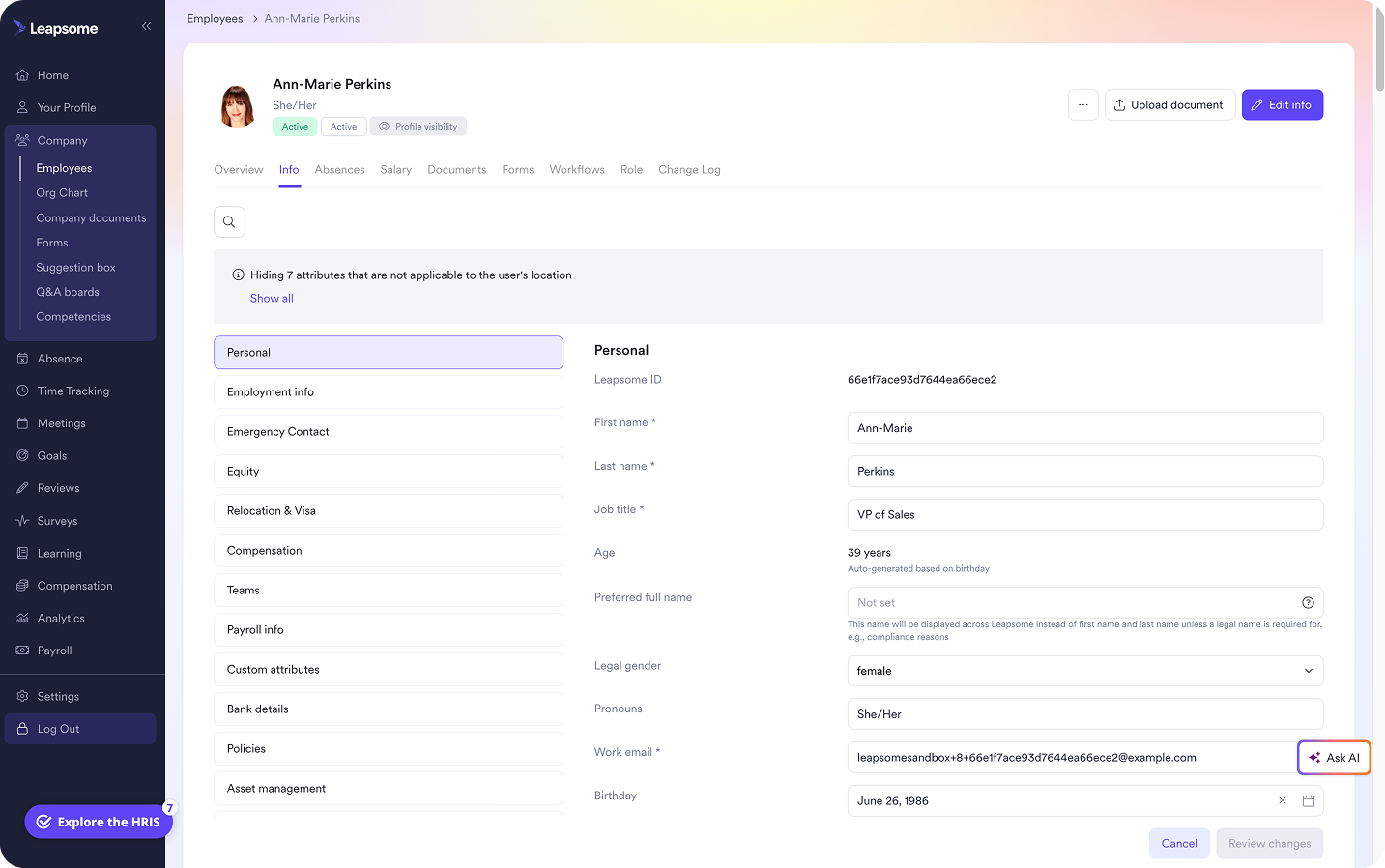
🧱 Baut jeden People-Prozess auf vertrauenswürdigen Daten auf
Leapsome verknüpft Mitarbeiterdatensätze mit den Entscheidungen und Erfahrungen, die sie prägen.
👉 Entdeckt Employee Records
Mitarbeiterdatenmanagement vereinfachen mit Leapsome
Fragmentierte Mitarbeiterdaten halten HR in administrativer Arbeit gefangen. Jeder doppelte Eintrag schafft eine weitere Gelegenheit für widersprüchliche Datensätze, während jedes isolierte System das Reporting weniger vertrauenswürdig macht. Je größer die Organisation wird, desto mehr Zeit verbringt HR damit, Informationen abzugleichen, bevor sie Führungskräfte unterstützen oder Fragen zur Belegschaft sicher beantworten kann.
Leapsome nutzt zentralisierte Mitarbeiterdatensätze als Grundlage für vernetzte People-Prozesse. Mit Leapsome können HR-Verantwortliche nutzen:
- Employee Records: Um persönliche Daten, Beschäftigungsinformationen und Rollenwechsel in einem zugänglichen Profil zu pflegen.
- Documents and E-Signatures: Um Verträge und unterschriebene Richtlinien mit der jeweiligen Person verknüpft zu halten, statt verstreut in Ordnern und Postfächern.
- Preboarding and Onboarding: Um Workflows zu starten und Aufgaben aus Daten neuer Mitarbeitender zuzuweisen, ohne sie in einem separaten System erneut einzugeben.
- Performance, Goals, and Learning: Um aktuellen Mitarbeiterkontext in Performance Reviews einzubringen und Entwicklungsfortschritt zu verknüpfen, während Mitarbeitende sich weiterentwickeln.
- Engagement and workforce insights: Um Umfrageergebnisse mit Workforce-Daten zu kombinieren und HR zu helfen, Muster zu erkennen und Führungskräften verlässlichere Antworten zu liefern.
„Mitarbeitende finden jetzt alles an einem Ort: ihre Daten, Abwesenheiten, Ziele und Reviews. Ich muss nicht mehr erklären, welches Tool wofür genutzt wird. Es ist alles in Leapsome.“ Merilyn L, Senior People Operations Specialist, Bob W
👋 Schluss mit isolierten Mitarbeiterdaten
Leapsome verknüpft Mitarbeiterdatensätze mit jedem People-Prozess, sodass HR dieselben Informationen nicht in mehreren Systemen aktualisieren muss.
👉 Demo anfragen
FAQ
Was ist Mitarbeiterdatenbank-Software?
Mitarbeiterdatenbank-Software gibt HR ein zentrales System, um Mitarbeiterinformationen wie Kontaktdaten, Verträge und Berichtslinien zu speichern und zu verwalten. Fortschrittlichere Datenbanksysteme verknüpfen diese Daten außerdem mit Workflows wie Onboarding und Performance Reviews. Das reduziert doppelte Dateneingaben und v

.jpg)