Workers’-Comp-Audit: So bereitet ihr euch rechtzeitig vor


Haftungsausschluss: Diese Inhalte dienen ausschließlich allgemeinen Informationszwecken und stellen keine Rechtsberatung dar. Leapsome garantiert keine Rechtskonformität und kann nicht bestätigen, wie ein Gericht eine bestimmte Situation bewerten würde. Wenn ihr unsicher seid, wie die Vorgaben auf euer Unternehmen zutreffen, wendet euch an eine qualifizierte Rechtsberatung.
Workers’-Compensation-Prämien basieren oft zunächst auf Schätzungen. Am Ende jeder Versicherungsperiode gleichen Versicherer diese Schätzungen im Rahmen eines Workers’-Comp-Audits mit der tatsächlichen Lohnabrechnung und den Mitarbeiterklassifizierungen eures Unternehmens ab. Stimmen die Unterlagen nicht überein, ändert sich die endgültige Prämie.
Für HR-Teams schafft der Audit selten neue Probleme: Er deckt sie nur auf. Statt einer schnellen Durchsicht führt eine Audit-Ankündigung oft dazu, dass Teams sich durch veraltete Unterlagen und lückenhafte Werdegänge wühlen müssen. Das überrascht kaum, wenn man bedenkt, dass laut SHRM nur 32 % der Mitarbeitenden ein HRIS nutzen.* Wenn die Personalsysteme eingeschränkt sind, können Rollenwechsel passieren, ohne dass sie in den Unterlagen landen, die HR später verteidigen muss.
Deshalb beginnt eine gute Vorbereitung nicht erst mit dem Anruf der prüfenden Person. Sie beginnt mit einer konsequenten Pflege der Personaldaten das ganze Jahr über. Dieser Leitfaden erklärt, was Prüfende sich ansehen, wie ihr euch vorbereitet und welche HR-Praktiken das Risiko schon lange vor der nächsten Ankündigung senken.
* SHRM, 2025
Was ist ein Workers’-Comp-Audit?
Ein Workers’-Comp-Audit ist eine Prüfung zum Ende der Versicherungsperiode. Dabei werden die geschätzten Unternehmens- und Lohnabrechnungsdaten, die zur Prämienberechnung dienten, mit den tatsächlichen Unterlagen eures Unternehmens aus dem Versicherungszeitraum verglichen.
Versicherer führen diesen Audit meist nach Ablauf der Workers’-Comp-Police durch. Manche erlauben aber auch Zwischenprüfungen, damit der Versicherer die Prämie anpassen kann, wenn sich Lohnabrechnung oder Geschäftsbetrieb ändern.
Warum müsst ihr euch mit Workers’-Compensation-Audits befassen?
Versicherer legen die anfängliche Prämie anhand von Schätzungen fest. Am Ende jeder Versicherungsperiode vergleichen sie diese Schätzungen mit der tatsächlichen Lohnabrechnung und der Risikoexposition der Belegschaft während des Versicherungszeitraums. Diese Prüfung hilft dem Versicherer, die endgültige Prämie auf Basis der tatsächlichen Entwicklung im Jahresverlauf zu berechnen.
Worauf achten Prüfende?
In diesem Zusammenhang prüfen sie Lohnabrechnungsunterlagen und Klassifizierungscodes der Mitarbeitenden. Außerdem können sie Versicherungsnachweise und Unterlagen zu Auftragnehmenden anfordern, um zu bestätigen, ob Selbstständige und Subunternehmen einen eigenen Workers’-Comp-Schutz hatten.
Welche Ergebnisse kann ein Workers’-Comp-Audit haben?
Stimmen die anfänglichen Schätzungen mit euren Unterlagen überein, bleibt die Prämie unter Umständen unverändert. Steigen Lohnabrechnung oder Risikoexposition, könnt ihr eine Nachzahlung schulden. Hat euer Unternehmen die Risikoexposition dagegen überschätzt, erstattet der Versicherer möglicherweise einen Betrag oder gewährt eine Gutschrift.
Bedenkt aber: Eine stabile Mitarbeiterzahl garantiert keine gleichbleibende Prämie. Laut NCCI stieg die Lohnsumme 2025 um 4,8 %, während die Beschäftigung nur 0,5 % beitrug. Den Großteil des Anstiegs trieb das Lohnwachstum. Höhere Vergütungen können eure endgültige Prämie über die ursprüngliche Schätzung hinaustreiben, selbst wenn die Belegschaft kaum wächst.
So bereitet ihr euch auf einen Workers’-Comp-Audit vor: drei Schritte
„Es gibt ein paar Audits, die jedes Jahr stattfinden müssen. Ich habe im Grunde einen Workflow, der sagt: ‚Hey, nächsten Monat ist der Audit.‘“
Sammie Masley, People and Talent Partner bei Leapsome
Unternehmen, die das ganze Jahr über akkurate Personalunterlagen pflegen, brauchen oft deutlich weniger Zeit für die Vorbereitung auf Workers’-Comp-Audits. Trotzdem sollten HR und Lohnabrechnung vor Prüfungsbeginn noch eine letzte Kontrolle durchführen, um sicherzustellen, dass alle Unterlagen übereinstimmen.
Die folgende Workers’-Comp-Audit-Checkliste hilft eurem Team, Unstimmigkeiten zu erkennen, die aus einer routinemäßigen Prüfung sonst wochenlange Nacharbeit machen könnten.
📋 Verliert bei eurem Workers’-Comp-Audit keine Details aus den Augen
Falls euch das alles überfordert: Wir haben eine Checkliste zusammengestellt, mit der ihr eure Audits schnell strukturieren könnt.
👉 Jetzt Checkliste herunterladen
1. Lohnabrechnungs- und Personalunterlagen prüfen
„Wenn eure HR-Systeme nicht wirklich miteinander sprechen … muss man sich das eine aus dem HRIS holen, das andere aus dem Performance Review, das nächste aus der Lohnabrechnung … Ich glaube, dabei reißen die Spuren ein Stück weit ab.“
Sammie Masley, People and Talent Partner bei Leapsome
Vergleicht zunächst Lohnabrechnungsberichte mit Personalunterlagen. Stellt sicher, dass Vergütungsänderungen, Beschäftigungsdaten und Personalwechsel in euren HR- und Lohnabrechnungssystemen einheitlich erfasst sind.
Habt ihr Selbstständige beauftragt, sammelt deren Versicherungsnachweise und alle Belege, die ihren Versicherungsschutz bestätigen.
2. Mitarbeiterklassifizierungen überprüfen
Vergleicht die aktuellen Aufgaben eurer Mitarbeitenden mit dem Klassifizierungscode auf ihrer Workers’-Comp-Police. Jobtitel bleiben oft gleich, während sich die Tätigkeit ändert, besonders nach Beförderungen oder Team-Umstrukturierungen.
Passt der Code nicht mehr zur Rolle, dokumentiert die Änderung und aktualisiert die Jobklassifizierung, bevor die prüfende Person die Prämie anhand veralteter Informationen berechnet.
3. Belege ordnen
Erstellt eine zentrale Workers’-Comp-Audit-Übersicht, mit der die prüfende Person jede Lohnabrechnungszahl bis zu ihrer Quelle zurückverfolgen kann. Nehmt vierteljährliche Steuerunterlagen (wie W-2- und 1099-Formulare), Überstundennachweise und aktuelle Stellenbeschreibungen für Rollen auf, die Klassifizierungsfragen aufwerfen könnten.
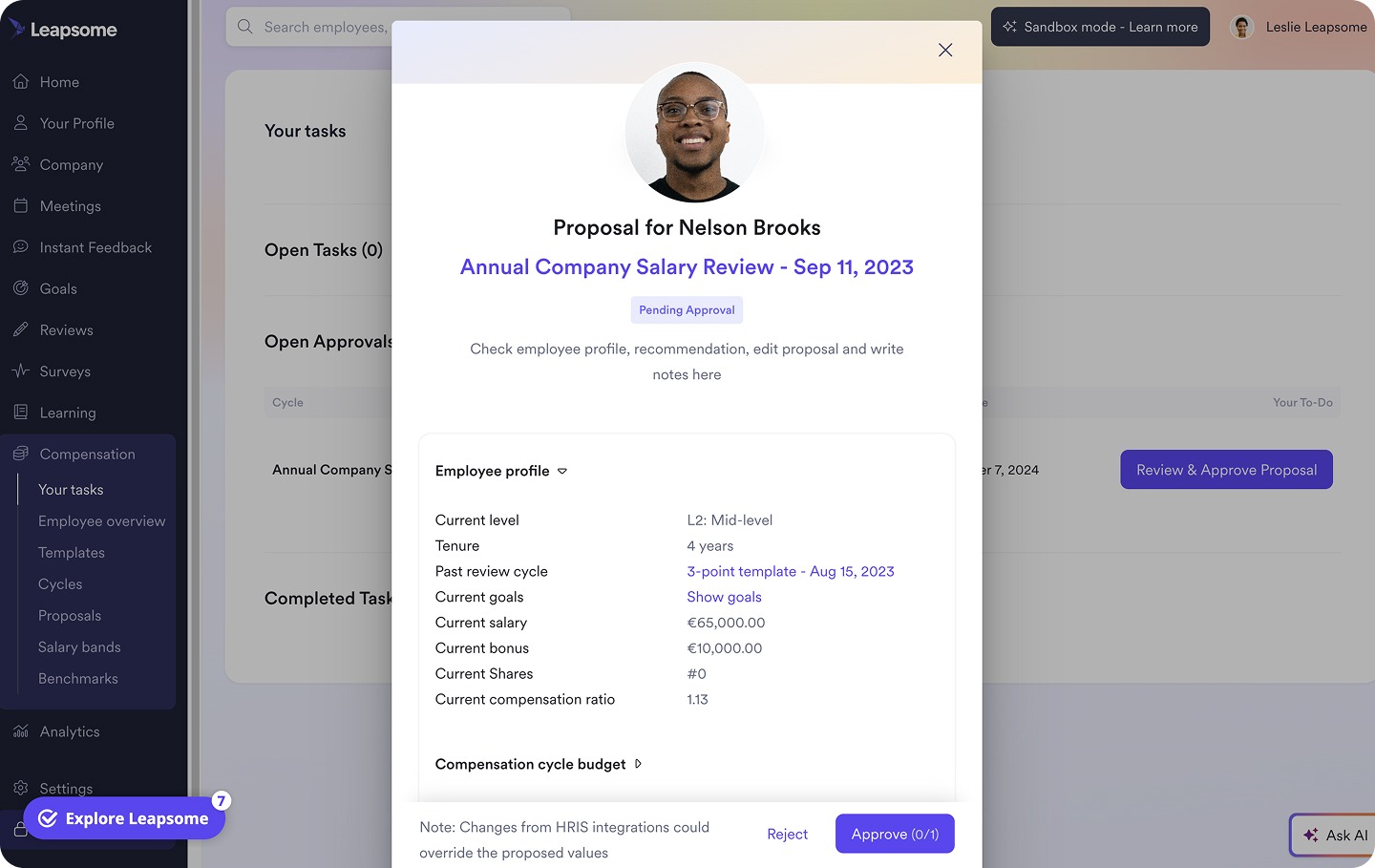
Statt es der prüfenden Person zu überlassen, eure Dokumentation zusammenzusetzen, oder HR mit endlosen Rückfragen zu belasten, könnt ihr mit Leapsome alles geordnet halten. Da Personalunterlagen und Belege an einem Ort liegen, kann euer Team Anfragen schnell beantworten und typische Audit-Hürden aus dem Weg räumen.
🛟 Macht die Audit-Vorbereitung zu einer Durchsicht, keiner Rettungsaktion
Leapsome bündelt Personalunterlagen, unterstützt die Lohnabrechnung und stärkt das Personal-Reporting, alles aus einer einzigen verlässlichen Quelle.
👉 Entdeckt Payroll Prep
Warum ein Workers’-Comp-Audit lange vor der prüfenden Person beginnt
„Teams, die bereit sind, bereiten sich nicht erst vor dem Audit vor, sondern im Tagesgeschäft.“
Erica Ancobia, CEO und Managing Director bei KUNO
Eine Checkliste hilft HR bei der Vorbereitung auf eine einzelne Prüfung, kann aber ein Jahr unzusammenhängender Aktualisierungen nicht wettmachen. Um herauszufinden, ob euer Unternehmen bereit für einen Audit-Prozess ist, braucht ihr eine ehrliche Antwort auf eine Frage: Könnte HR heute für alle Mitarbeitenden den vollständigen Werdegang liefern, wenn eine prüfende Person danach fragt, ohne bei Führungskräften anzurufen oder alte E-Mails zu durchsuchen?
Ein ‚Nein‘ deutet auf ein operatives Problem hin. Prüfungsbereitschaft hängt davon ab, ob alltägliche HR-Workflows Änderungen erfassen, sobald sie passieren. Das wiederum erfordert regelmäßige Kontrollen, klare Zuständigkeiten und Systeme, die konsequent genutzt werden.
Personalunterlagen sollten immer korrekt sein, um das Audit-Risiko zu senken
„Wenn man Daten von einem System in ein anderes kopiert, werden diese Informationen wirklich fehleranfällig.“
Erica Ancobia, CEO und Managing Director bei KUNO
Personalunterlagen sollten aktualisiert werden, sobald HR eine Gehaltsänderung oder eine Änderung des Beschäftigungsstatus genehmigt. Automatisierte Workflows können das Wirksamkeitsdatum direkt in die Personalakte und den Lohnabrechnungsprozess übernehmen, ohne dass HR dieselbe Information zweimal eingeben muss.
Diese Konsistenz verringert den Bedarf an manuellen Kontrollen vor Audits. Außerdem erhält HR so eine verlässliche Version des Werdegangs jeder mitarbeitenden Person, was hilfreich ist, wenn eine prüfende Person eine Lohnabrechnungszahl hinterfragt.
Mitarbeiterklassifizierungen sollten sich mit den Jobs weiterentwickeln
Das Economic Policy Institute berichtet, dass bis zu 30 % der Arbeitgeber mindestens eine Person in ihrem Team falsch klassifiziert haben. Leider werden Klassifizierungsentscheidungen selten noch einmal überprüft, nachdem das Unternehmen sie erfasst hat.
Zum Beispiel kann eine Führungskraft anfangen, vorzugeben, wie eine beauftragte Person ihre Arbeit ausführt, oder eine Beförderung bringt Aufgaben mit sich, die die ursprüngliche Klassifizierung nie abgedeckt hat. Statt veraltete Entscheidungen so lange mitzuschleppen, bis eine prüfende Person oder Aufsichtsbehörde sie entdeckt, sollten Rollenwechsel und Aktualisierungen automatisch die passende Klassifizierungsprüfung auslösen.
Jede Personalentscheidung sollte belegt sein
Selbst die richtige Entscheidung birgt ein Audit-Risiko, wenn HR nicht zeigen kann, wann sie getroffen und von wem sie genehmigt wurde. Eine Gehaltsänderung erreicht vielleicht die Lohnabrechnung, während die Genehmigung in E-Mails verborgen bleibt, oder eine Aktualisierung bei einem Subunternehmen findet in der Praxis statt, ohne in der offiziellen Personalakte zu landen.
Jeder Workflow sollte im Moment der Genehmigung seinen eigenen Beleg erzeugen. Wenn sich Unterlagen automatisch aktualisieren und Belege mit den jeweiligen Entscheidungen verknüpft bleiben, kann HR den Werdegang nachvollziehen, ohne ihn Monate später mühsam neu zusammenzusetzen.
Ein vernetztes HRIS und eine Personalmanagement-Plattform wie Leapsome verknüpfen diese Aktualisierungen mit Echtzeit-Personalunterlagen für einen besseren Audit-Trail.
„Wir versuchen, dieses System als die eine verlässliche Quelle zu nutzen: Alle HR-Daten liegen dort, alle Dokumente sind dort gespeichert.“
Erica Ancobia, CEO und Managing Director bei KUNO
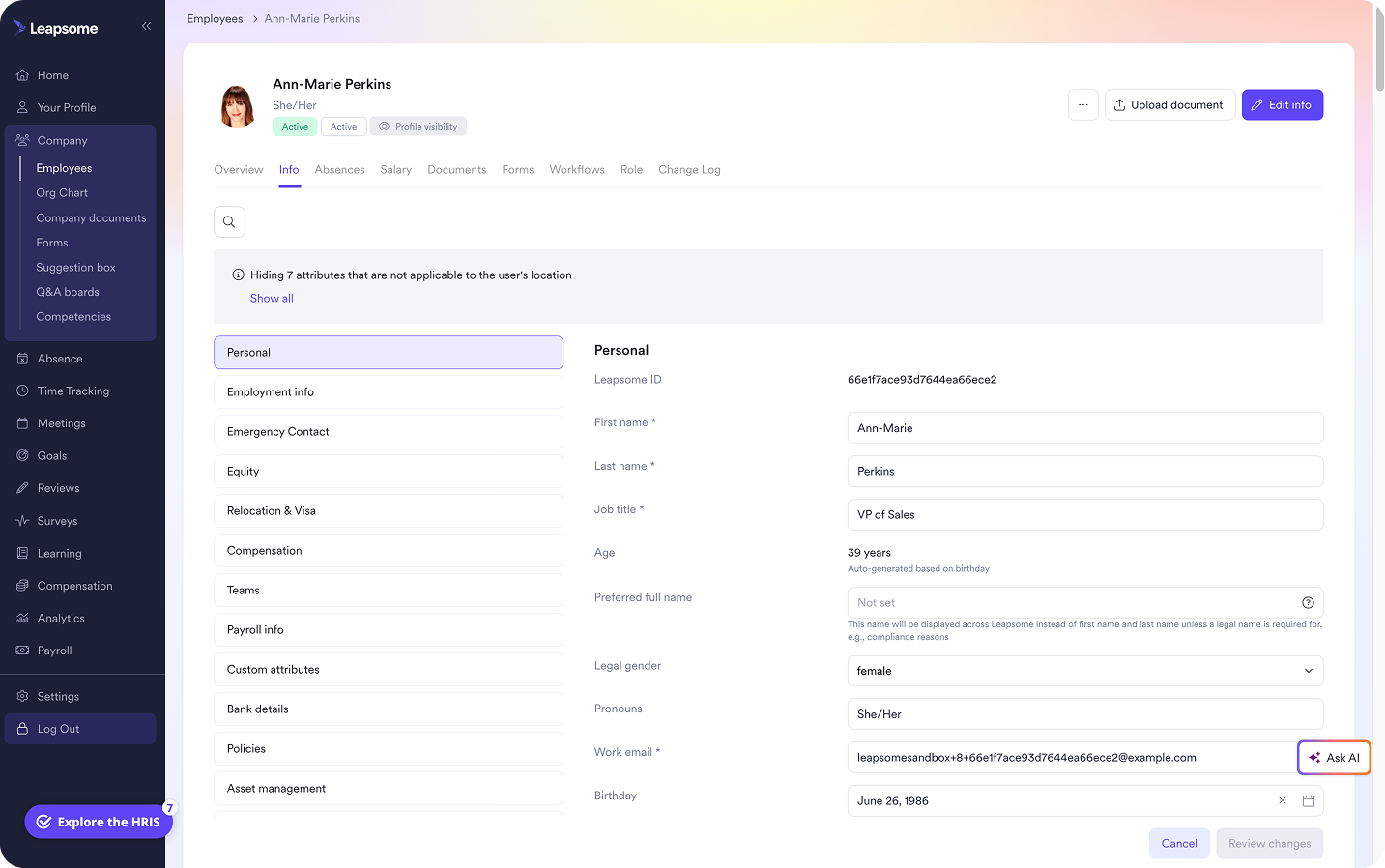
🗂️ Haltet jede Personaländerung audit-bereit
Leapsomes HRIS verbindet Personalunterlagen mit Personaldokumentation, damit HR jederzeit einen verlässlichen Audit-Trail pflegen kann.
👉 Mehr über Employee Records
Mit Leapsome jederzeit prüfungsbereit
Workers’-Comp-Audits werden mühsam, wenn HR Informationen aus getrennten Systemen abgleichen muss. Die Lohnabrechnung zeigt eine Zahl, während die Personalakte eine frühere Rolle oder einen veralteten Beschäftigungsstatus widerspiegelt. Solche Abweichungen können Prämienanpassungen und wiederholte Rückfragen von Prüfenden auslösen, die HR in mühsame Handarbeit zwingen.
Leapsomes AI-gestützte HRIS- und People-Empowerment-Plattform hält Personaldaten über den gesamten Mitarbeiterlebenszyklus hinweg vernetzt. Statt erst nach der Ankündigung einen Audit-Trail aufzubauen, pflegt HR ihn im Tagesgeschäft.
Mit Leapsome können HR-Teams:
- Vollständige Werdegänge organisieren: Rollenwechsel und Änderungen des Beschäftigungsstatus in einer verlässlichen Akte festhalten.
- Präzise Lohnabrechnung unterstützen: Aktuelle Personaldaten nutzen, um die Unstimmigkeiten zu reduzieren, die entstehen, wenn Teams Informationen zwischen Systemen kopieren.
- Belege jederzeit zugänglich halten: Unterlagen zusammen mit den zugehörigen Datensätzen und Entscheidungen speichern.
- Audit-Reporting stärken: Konsistente Personaldaten abrufen, ohne unzählige Tabellen abgleichen zu müssen.
„Leapsome hat bei Performance, OKR und Feedback-Management wirklich großartige Arbeit geleistet: alles auf einer Plattform.“ Zhen Wang, People Servicer bei Jina AI
🏗️ Baut den Audit-Trail auf, bevor der Audit kommt
Leapsome hält Personalunterlagen und Lohnabrechnung in einer einzigen verlässlichen Quelle vernetzt, damit HR jedem Audit mit präzisen Daten selbstbewusst begegnen kann.
👉 Demo anfragen
FAQ
Was sind Workers’-Compensation-Versicherungsaudits?
Bei Workers’-Comp-Versicherungsaudits prüfen Versicherer die Lohnabrechnungs- und Klassifizierungsdaten, die zur Schätzung der Prämie eines Arbeitgebers dienten. Versicherer führen diese Audits meist nach Ablauf der Versicherungsperiode durch, um die endgültige Prämie zu berechnen. Ein Audit kann eure Prämie unverändert lassen oder zu einer Rückerstattung oder Nachzahlung führen, wenn die Informationen nicht korrekt waren.