Wie Fractional HR Systeme skaliert, wenn gründergeführtes HR an seine Grenzen stößt


Gründer:innen und Finance-Verantwortliche sind nicht dafür ausgebildet, People-Ops-Probleme zu lösen. Trotzdem übernehmen sie genau das in kleinen und mittelständischen Unternehmen (KMU) immer wieder. Diese Verschiebung kann eure Wachstumsfähigkeit ernsthaft ausbremsen: Schnell wachsende KMU wenden laut Asure* 20 % häufiger HR-Best-Practices an als Unternehmen ohne Wachstum. Ohne die richtigen Skills, Tools und das nötige Wissen ist es schwer, ein People-Programm aufzubauen, das KMU wirklich beim Wachstum unterstützt.
Zum Glück gibt es Wege, proaktives People-Management einzuführen, auch wenn ihr noch nicht bereit seid, eine Vollzeit-HR-Führungskraft einzustellen. Bei Fractional HR holt ihr euch Unterstützung von einer People-Leadership-Fachperson auf Vertrags- oder Teilzeitbasis ins Haus.
In diesem Guide zeigen wir, was Fractional HR ist und wie es als wichtiger Baustein einer effektiven Skalierungsstrategie euer HR-Team ins Rollen bringen kann.
* Asure, 2024
Was ist Fractional HR?
Fractional HR ist ein Modell, bei dem Unternehmen erfahrene HR-Führungskräfte auf Teilzeit-, Vertrags- oder Retainer-Basis für People-Ops-Aufgaben ins Team holen. In der Praxis heißt das: Ihr profitiert regelmäßig von Senior-Expertise, ohne euch langfristig an ein internes Teammitglied zu binden.
Trotz aller Ähnlichkeiten sind Fractional HR und HR-Beratung nicht dasselbe. HR-Berater:innen arbeiten nur an einem konkreten Projekt oder Problembereich (zum Beispiel am Aufbau eines Vergütungsmodells). Fractional-HR-Anbieter unterscheiden sich außerdem von HR-Agenturen: Das sind ausgelagerte Teams wie eine Administrative Services Organization (ASO) oder eine Professional Employer Organization (PEO), die Aufgaben außerhalb eures internen Geschäfts übernehmen.
Zu den häufigsten Aufgaben, bei denen Fractional-HR-Profis unterstützen, gehören:
- Eure People-Strategien und HR-Prozesse entwickeln
- Manager:innen und Employee Relations unterstützen
- Die Führungsebene zu Talent, Kultur und Workforce Planning beraten
Was Fractional-HR-Services für ein wachsendes Unternehmen leisten können
„HR zu machen heißt nicht, dass ihr kein Teil des Business seid. Der Wandel liegt darin zu erkennen: Jede Taktik, ob Hiring, L&D oder Benefits, muss sich an Unternehmensstrategie und -ergebnissen ausrichten.“
Luck Dookchitra, ehemals VP of People and Culture bei Leapsome
Fractional HR kommt meist dann ins Spiel, wenn People-Probleme intern nicht mehr zu bewältigen sind. Das passiert häufig, wenn Unternehmen schnell wachsen und mehr Struktur bei Prozessen wie Hiring und Onboarding brauchen, aber keine Zeit haben, diese aufzubauen. Gründer:innen merken, dass HR-Aufgaben sie von wichtigen Business-Entscheidungen ablenken, gleichzeitig ist im Budget kein Platz für ein weiteres Gehalt auf Führungsebene.
Um diese Lücke zu schließen, bietet eine Fractional-HR-Strategie:
- Zugang zu erfahrener HR-Führung: Mit Fractional-HR-Anbietern bekommt ihr strategische Beratung von People-Ops-Profis, die wissen, wie man organisatorische Wachstumsschmerzen meistert.
- Mehr Flexibilität und niedrigere Kosten: Ihr nutzt die Skills einer erfahrenen HR-Führungskraft in eurem Unternehmen für deutlich weniger Geld, als eine Festanstellung kosten würde, und sie kann bei einem breiteren Aufgabenspektrum unterstützen als eine HR-Beratung. Diese Flexibilität macht Fractional HR besonders für KMU attraktiv, die zum ersten Mal eine People-Struktur aufbauen.
- Schnellere Umsetzung von People-Prozessen: Fractional HR entwickelt rechtssichere, praxistaugliche Frameworks für Hiring, Leadership Development und Performance Management, während ihr euch aufs Skalieren konzentriert.
Was es wirklich kostet, zu lange mit People Leadership zu warten
„Der Zweck einer HR-Funktion ist es, eine People-Strategie zu entwickeln, die Unternehmensziele bestmöglich vorantreibt. Es beginnt beim Business, und darauf baut ihr eure People-Strategie auf.“
Melanie Naranjo, Chief People Officer bei Ethena
Kosteneinsparungen und Flexibilität gelten meist als die größten Vorteile von Fractional-HR-Programmen. Das sind zweifellos starke Argumente, doch sie überschatten den eigentlichen langfristigen Wert der Zusammenarbeit mit einer Expertin oder einem Experten. Je länger ihr wartet, HR-Unterstützung zu holen, desto wahrscheinlicher stoßt ihr auf operative Hürden wie:
- Uneinheitliche Führungspraxis: Ohne HR-Framework fehlt Manager:innen ein gemeinsamer Leitfaden, um ihr Feedback zu schärfen, was zu ungleichen Employee Experiences führt. Da Gallup-Umfragen zeigen, dass Manager:innen für 70 % der Varianz bei den Engagement-Werten eurer Mitarbeitenden verantwortlich sind, kann dieser fehlende rote Faden schnell zu größeren Problemen anwachsen.
- Steigende Fluktuation und sinkendes Engagement: Wenn ihr Engagement-Risiken früh erkennt und sofort eingreift, habt ihr großen Einfluss auf die Fluktuationsrate. Gallup fand heraus, dass 42 % der Mitarbeitenden, die gekündigt haben, sagten, ihr Unternehmen hätte ihre Entscheidung verhindern können.
- Fehlende Karriereentwicklung und Performance-Struktur: Wenn Mitarbeitende keinen klaren Weg für ihre Weiterentwicklung sehen, bleiben sie seltener im Unternehmen. Umgekehrt zeigen Daten von Gartner, dass sich wertgeschätzt und unterstützt fühlende Mitarbeitende 4,1-mal häufiger im Unternehmen halten.
Nachlassendes Engagement ist ein deutliches Warnsignal für Probleme in euren Teams. Am einfachsten verfolgt ihr diese Daten mit regelmäßigen Umfragen. Eure Fractional-HR-Führungskraft sammelt die Antworten, ordnet und analysiert die Daten und leitet daraus konkrete Strategien ab, um die Stimmung der Mitarbeitenden zu verbessern. Leapsomes Mitarbeiterumfragen-Feature hilft euch, diese und andere wichtige Kennzahlen teamübergreifend zu verfolgen, damit ihr die bestmöglichen People-first-Richtlinien entwickeln könnt.
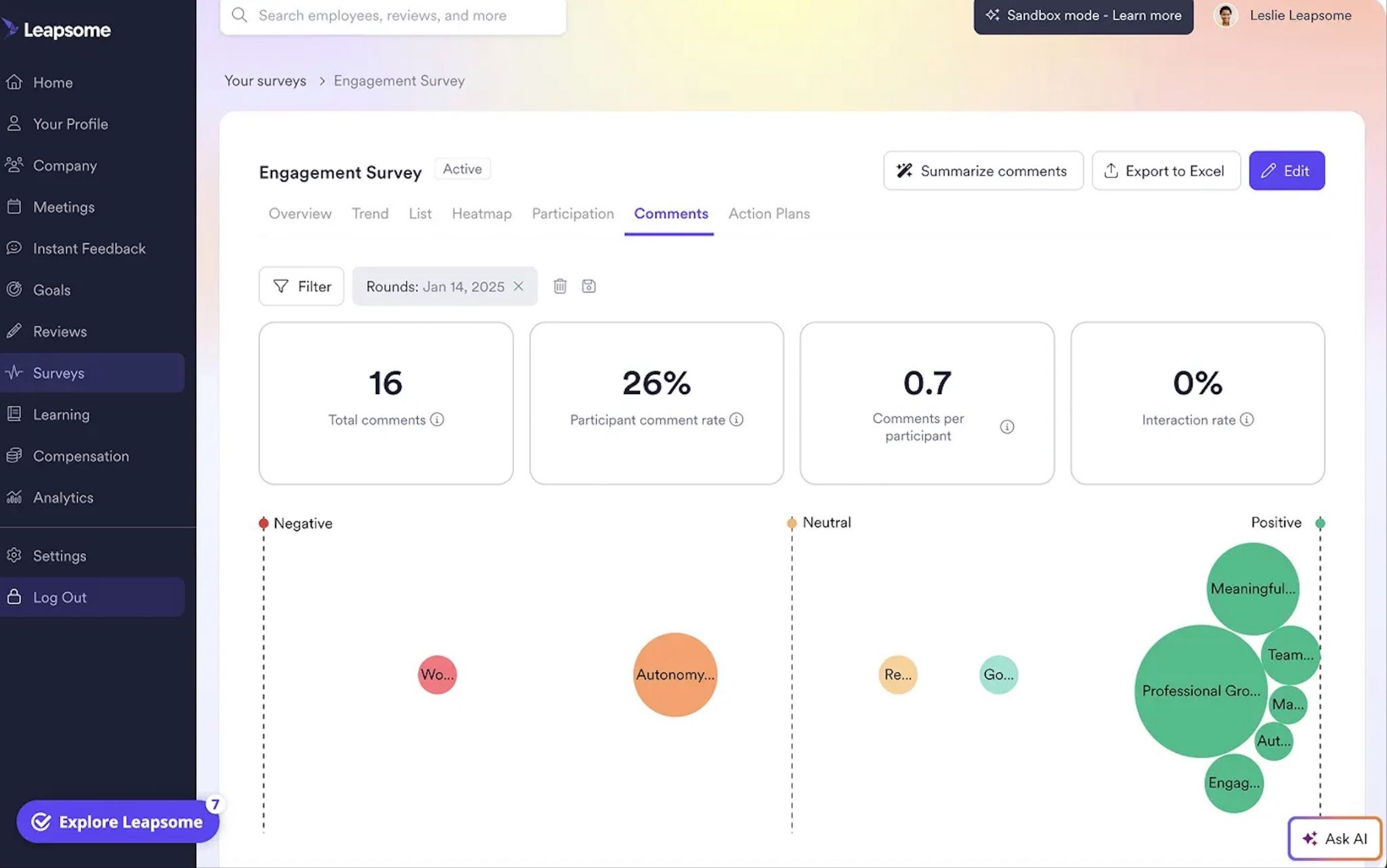
🚨 People-Probleme dank Umfragedaten frühzeitig erkennen
Leapsomes Mitarbeiterumfragen-Feature zeigt Warnsignale auf, damit Fractional HR euer Team auf ein stärkeres Fundament führt, statt in die Krise.
👉 Entdeckt Mitarbeiterumfragen
Der Reifetest: Braucht ihr Fractional HR oder einfach bessere Systeme?
Wenn sich People-Probleme häufen, wirkt Fractional HR wie die ultimative Schnelllösung. Laut einem FRAK-Report von 2024 gaben 73 % der Fractional-HR-Profis an, dass wachsende Unternehmen ihre größte Kundengruppe sind. Das heißt aber nicht zwangsläufig, dass Fractional HR immer die richtige Antwort ist, wenn ihr von gründergeführtem zu strukturiertem HR wechselt. Manchmal löst ihr den Großteil eurer Probleme schon, indem ihr ineffiziente HR-Prozesse angeht.
Anzeichen, dass ihr Fractional HR brauchen könntet
Um herauszufinden, ob eure Probleme rein systembedingt sind oder professionelle Unterstützung brauchen, schaut euch zuerst eure aktuelle Wachstumsphase und die größten Engpässe beim Skalieren an. Erkennt ihr mehrere dieser typischen Warnsignale, könnte professionelle Unterstützung der richtige Schritt sein:
- Im Team fehlt dedizierte People-Expertise: Wenn People-Entscheidungen immer bei den Gründer:innen landen, geht das auf Kosten anderer strategischer Themen. Gleichzeitig bekommen eure Mitarbeitenden nicht die fachliche Begleitung, die sie für Sicherheit und Engagement brauchen. Wenn niemand wirklich die People-Funktion verantwortet, bringt Fractional HR Kontinuität in eure Prozesse und entlastet die Führungsebene.
- Manager:innen brauchen Unterstützung, aber eine Festanstellung lohnt sich noch nicht: Wachsende KMU in der „Zwischenphase“ haben oft Manager:innen, die jede Menge Aufgaben übernehmen, ohne das Training oder Framework für people-orientierte Entscheidungen zu haben. Fractional HR passt meist dann, wenn ihr ein stabileres Framework braucht, um loszulegen.
- Wachstum bringt neue People-, Kultur- oder Compliance-Herausforderungen: Irgendwann deckt Skalieren Probleme auf wie eine schleppende Time-to-Hire oder Compliance-Risiken, über die ihr vorher nie nachdenken musstet. Das sind normale Zeichen dafür, dass euer Unternehmen reift, trotzdem braucht es Prozesse, damit aus kleinen Problemen keine großen operativen Herausforderungen werden. Fractional-HR-Führungskräfte entwickeln diese Prozesse auf Basis praktischer Erfahrung.
„HR sollte Geschäftsentscheidungen nicht nur unterstützen. Ihr gestaltet sie mit. Ihr müsst wie ein Profitcenter denken, nicht wie ein administratives Silo.“
Anita Anthonj, Gründerin und CEO von Talaera
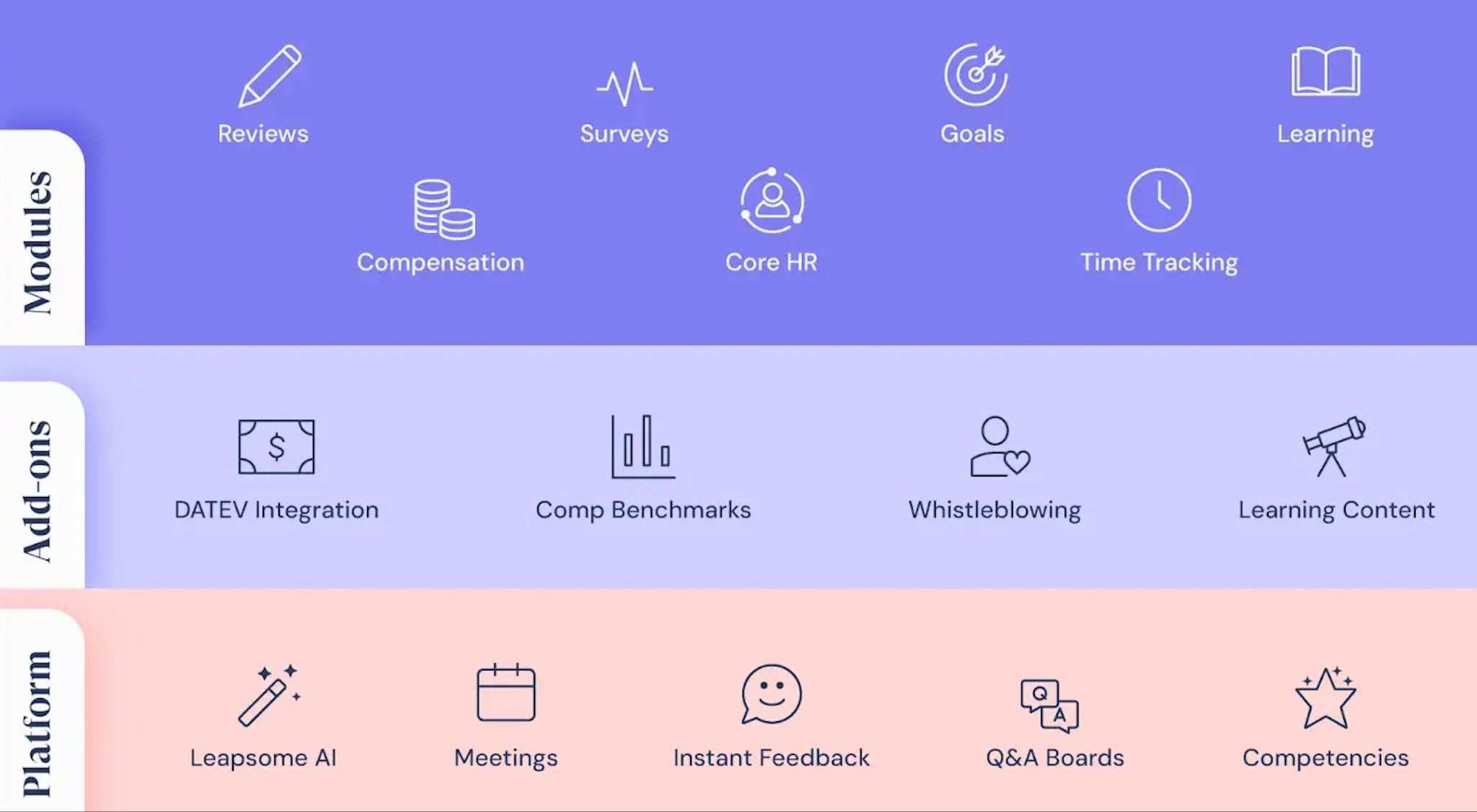
Viele Unternehmen glauben, HR-Führung löst automatisch alle Sorgen, nur um dann festzustellen, dass schlechtes Datenmanagement und fehlende Transparenz das eigentliche Problem sind. Leapsomes All-in-one-HRIS unterstützt das Wachstum eurer Mitarbeitenden, ohne dass ihr gleich zu Fractional oder Vollzeit-HR wechseln müsst. Mit Leapsomes Performance-Reviews-Feature legt ihr zum Beispiel laufende Review-Zyklen für Manager:innen an, die mit allen Mitarbeiterdaten und Feedback in einer zentralen Plattform synchronisiert sind.
💪 Stärkt eure Kernsysteme
Bevor ihr euch für Fractional HR entscheidet, deckt mit Leapsomes All-in-one-HR- und People-Management-Plattform ungelöste Lücken in euren Kernsystemen auf.
👉 Entdeckt HRIS-Tools
Wie Leapsome Unternehmen bei strategischem HR-Wachstum unterstützt
Egal wie eure HR-Abteilung aufgestellt ist: Mit getrennten Systemen laufen People Operations nie reibungslos. Oft ist die größte Herausforderung für kleine Unternehmen die fehlende Transparenz über ihre Prozesse. Das heißt, sie verstehen gar nicht wirklich, was passiert, können das eigentliche Problem nicht lösen und kommen nicht mit Klarheit voran.
Leapsomes HRIS- und People-Management-Plattform bietet euch einen zentralen Software-Hub für alle Mitarbeiterdaten. Leapsome bündelt nicht nur eure Mitarbeiterprofile an einem Ort, sondern gibt HR-Verantwortlichen und Gründer:innen auch mehrere Tools an die Hand, um People Ops zu überwachen und zu steuern, darunter:
- Mitarbeiterumfragen: Erfasst die Stimmung eurer Mitarbeitenden und verfolgt Veränderungen über die Zeit, damit euch kein Missklang entgeht.
- Performance Reviews: Legt strukturierte Review-Zyklen fest und gebt kontinuierliches Feedback, damit Manager:innen wirksame Entwicklungsgespräche führen und Mitarbeitende motiviert bleiben, sich weiterzuentwickeln.
- Ziele & OKRs: Zeigt euren Mitarbeitenden, wie ihre Arbeit zu den unternehmensweiten Zielen und zum operativen Erfolg beiträgt.
- Leapsome Academy: Festigt Management-Know-how mit Leapsomes Kursen zu Leadership und Coaching.
Auch wenn ihr euch nicht für Fractional HR entscheidet: Leapsomes All-in-one-Plattform gibt euren HR-Aufgaben die Struktur, die sie brauchen, um heute und in den kommenden Jahren wirksam zu sein.
„Wer unsichtbare Arbeit automatisiert, gibt HR-Führungskräften Zeit für Kultur, Strategie und echte Verbindung zurück.“ Emma Leeds, Gründerin, CEO und Chief People Consultant bei People Function
👟 Startet eure HR-Strategie mit dem richtigen Fuß
Leapsomes zentrale HRIS- und People-Management-Software liefert euch die Tools für volle Transparenz in ein vernetztes HR-Ökosystem, egal wie ihr euer HR-Team aufstellt.
👉 Demo anfragen
FAQ
Was ist der Unterschied zwischen Fractional HR und HR-Beratung?
Fractional HR bietet fortlaufende Unterstützung für die HR-Prozesse eures Unternehmens, meist im Teilzeit- oder Vertragsmodell. HR-Beratung eignet sich dagegen nur für kurzfristige Projekte oder konkrete Themen mit klarem Start- und Enddatum.






.jpg)