Erfolgreiches Preboarding vorbereiten: Checkliste und HR-Framework

.jpg)
Für eine überzeugende Employee Experience müsst ihr schon lange vor dem ersten Arbeitstag ansetzen. Denn die Zeit zwischen Vertragsunterschrift und dem ersten Tag im Unternehmen steckt voller Risiken.
Preboarding-Aufgaben sind oft über verschiedene Kanäle verstreut. Manche neuen Mitarbeitenden erfahren rechtzeitig, was sie brauchen, andere starten schlecht vorbereitet. Im schlimmsten Fall verschwinden manche Menschen einfach kommentarlos. Und dieses Problem der frühen Fluktuation ist weit verbreitet: Laut Gartner hat die Hälfte der Bewerbenden mindestens ein bereits angenommenes Jobangebot vor dem Startdatum wieder zurückgezogen.*
Die Antwort darauf ist ein strukturierter Preboarding-Prozess, der HR-Verantwortliche und Teams auf konkrete Ziele für neue Mitarbeitende ausrichtet, etwa Sicherheit und Vorbereitung. Dieser Leitfaden erklärt die Vorteile von Preboarding, was in eure Checkliste gehört und wie ihr eure Pläne in die Tat umsetzt.
* Gartner, 2023
Was ist Preboarding, und warum hat es einen so großen Einfluss?
Preboarding wird auch Pre-Onboarding genannt und umfasst alles, was zwischen der Vertragsunterschrift und dem ersten Arbeitstag eines neuen Teammitglieds passiert. Dazu gehören:
- Willkommens-E-Mails und Preboarding-Unterlagen versenden, zum Beispiel das Mitarbeiterhandbuch
- Zugänge für Business-Software einrichten
- Erforderliche Formulare ausfüllen, etwa Verträge und Formulare für die Gehaltsüberweisung
Bei einem starken Preboarding-Erlebnis geht es weniger darum, die Verwaltungsliste abzuarbeiten, sondern vor allem darum, wie sich neue Mitarbeitende fühlen sollen: informiert, verbunden und sicher in ihrer Entscheidung für das Unternehmen.
Was Preboarding für Arbeitgeber möglich macht
Das können Arbeitgeber von einem durchdachten Preboarding-Programm gewinnen:
- Neue Mitarbeitende halten, bevor sie abspringen: Preboarding hält Menschen engagiert und begeistert für euer Unternehmen. So vermeidet ihr, dass die gesamte Zeit und die Kosten der Personalgewinnung verpuffen. Das ist bedeutsam, denn laut SHRM schätzen viele Arbeitgeber die gesamten Einstellungskosten auf das 3- bis 4-Fache des Jahresgehalts einer Position.
- Produktivität schneller erreichen: Preboarding stellt grundlegende Ressourcen bereit, mit denen neue Mitarbeitende direkt durchstarten können.
- Schnell Vertrauen aufbauen: Konsistente, durchdachte Kommunikation während des gesamten Preboarding-Prozesses gibt neuen Mitarbeitenden das Gefühl, wertgeschätzt zu werden, noch bevor sie ihren ersten Beitrag geleistet haben. Das stärkt das Engagement und die Loyalität von Anfang an.
Preboarding vs. Onboarding: Was unterscheidet die beiden?
Preboarding und Onboarding von Mitarbeitenden unterscheiden sich in einigen wichtigen Punkten:
- Timing: Preboarding beginnt in dem Moment, in dem ein Kandidat oder eine Kandidatin das Angebot annimmt. Es endet am ersten Arbeitstag, wenn das Onboarding übernimmt.
- Ziele: Beim Preboarding geht es darum, neue Mitarbeitende mit dem Unternehmen vertraut zu machen und sie an ihre Rolle zu binden. Der Onboarding-Prozess kann ähnliche Elemente enthalten, der Fokus verschiebt sich aber hin zu Integration und Leistung durch Coaching und klare Erwartungen.
- Aktivitäten: Preboarding deckt die grundlegenden Vorbereitungen ab, etwa Willkommens-E-Mails und Compliance-Unterlagen. Onboarding geht tiefer und ergänzt Entwicklung, Team-Building-Übungen und die Festlegung von Leistungszielen.
Ein strukturierter Preboarding-Workflow, der diese Elemente richtig umsetzt, hilft HR-Verantwortlichen, die frühe Fluktuation zu senken, indem er für jede neue Mitarbeiterin und jeden neuen Mitarbeiter ein konsistentes Erlebnis schafft. Mit Leapsome erhaltet ihr dedizierte Preboarding- und Onboarding-Tools, die in all eure anderen HR-Systeme integriert sind. So baut ihr einmal einen starken Prozess auf und wiederholt ihn beliebig oft.
„Wir konnten viele der Funktionen, die uns Zeit gekostet haben, optimieren und automatisieren. Daraus ist ein durchgängiger Workflow geworden, der Bereiche wie Onboarding, Offboarding, Schulungen und Recruiting miteinander verbindet. Das Ergebnis: weniger Aufwand, mehr Kommunikation und mehr Zeit für wertschöpfende Arbeit.“
Janelle Daugherty, Head of People and Culture bei Notion Health
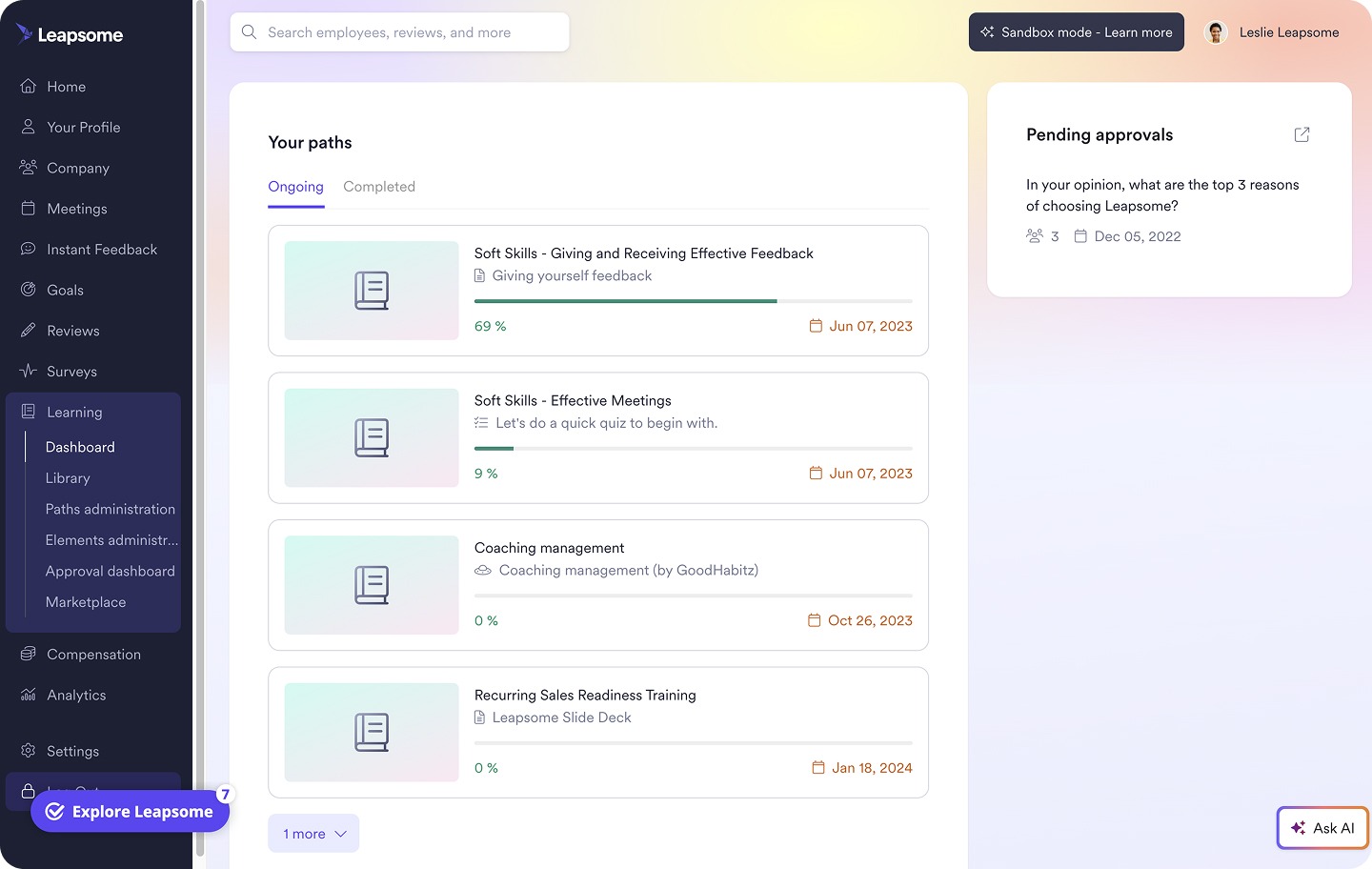
🚊 Preboarding, das wie am Schnürchen läuft
Gestaltet und führt individuelle Preboarding-Workflows durch, mit Dokumenten-Sharing, vorbereitenden Lernmodulen sowie automatischen Erinnerungen und Aufgabenmanagement-Tools.
👉 Entdeckt Pre- & Onboarding
Das Preboarding-Fenster: Sicherheit, Verbindung und Vorbereitung aufbauen
Preboarding schafft einen ersten Eindruck, der sich durch den gesamten Employee Lifecycle zieht. Diese frühe Phase beeinflusst, wie neue Mitarbeitende zu ihrer Entscheidung stehen und ob sie optimal auf den Erfolg vorbereitet werden.
Damit dieses Erlebnis positiv verläuft, findet ihr hier ein Framework, um euer Preboarding-Programm zu bewerten.
Sicherheit
Weiß jede neue Mitarbeiterin und jeder neue Mitarbeiter, was als Nächstes passiert? Wenn neue Mitarbeitende nicht wissen, was sie erwartet oder an wen sie sich bei Fragen wenden können, zweifeln sie eher an ihrer Entscheidung, das Angebot angenommen zu haben.
Laut Gallup fühlen sich weniger als ein Drittel der Mitarbeitenden nach ihrem Preboarding und Onboarding voll darauf vorbereitet, ihr Potenzial auszuschöpfen. Wer die Sicherheit neuer Mitarbeitender stärkt, verschafft seinem Unternehmen also auch einen Wettbewerbsvorteil.
Verbindung
Fühlen sich neue Mitarbeitende von Anfang an zugehörig? McKinsey fand heraus, dass Mitarbeitende, die ihren Arbeitsplatz als fair und inklusiv wahrnehmen, motivierter sind und seltener ausbrennen oder über einen Jobwechsel nachdenken.
Gleichzeitig sagen laut Gallup-Studie nur 39 % der Mitarbeitenden, dass sich jemand bei der Arbeit wirklich für sie als Mensch interessiert. Das zeigt: Persönliches, menschzentriertes Preboarding kann einen echten Unterschied machen.
Vorbereitung
Ist das Unternehmen auf die Ankunft der neuen Mitarbeitenden vorbereitet? Kaum etwas untergräbt die frühe Sicherheit neuer Mitarbeitender mehr, als wenn sie nicht auf wichtige Software zugreifen können und dann auch noch niemand da ist, der weiterhelfen kann. Sorgt also dafür, dass neue Mitarbeitende alles haben, was sie für wichtige Tools brauchen, und gebt ihnen einen Plan an die Hand, der zeigt, wie die ersten Tage oder Wochen aussehen.
Zum Glück muss es kein zeitaufwendiger Prozess sein, die richtigen Voraussetzungen zu schaffen. BEAT81 hat zum Beispiel 10 Stunden manuelle Arbeit pro Monat gespart, indem das Unternehmen seine Preboarding- und Onboarding-Workflows mit Leapsome standardisiert hat.
Was gehört in eure Preboarding-Checkliste?
Eine nützliche Preboarding-Checkliste konzentriert sich auf diese Kernbereiche.
Die Formalitäten erledigen: Verwaltung und Compliance
Kümmert euch zuerst um das IT-Setup, einschließlich einer Firmen-E-Mail-Adresse und dem Zugang zu wichtigen Systemen. Schickt dann den Arbeitsvertrag, Steuerformulare und alle Compliance-Dokumente, die neue Mitarbeitende benötigen könnten, etwa Verschwiegenheitserklärungen.
Die Verwaltung von Dokumenten und Unterschriften kann mühsam sein, wenn eure Systeme nicht miteinander verbunden sind. Deshalb bietet Leapsome zentrales und automatisiertes Dokumentenmanagement.
„Die Automatisierung ist anfangs ein großer Kraftakt, aber jeder Zyklus danach wird schneller und einfacher. Wenn ihr die unsichtbare Arbeit automatisiert, gebt ihr HR-Verantwortlichen Zeit für Kultur, Strategie und echte Verbindung zurück.“
Emma Leeds, Gründerin, CEO und Chief People Consultant bei People Function
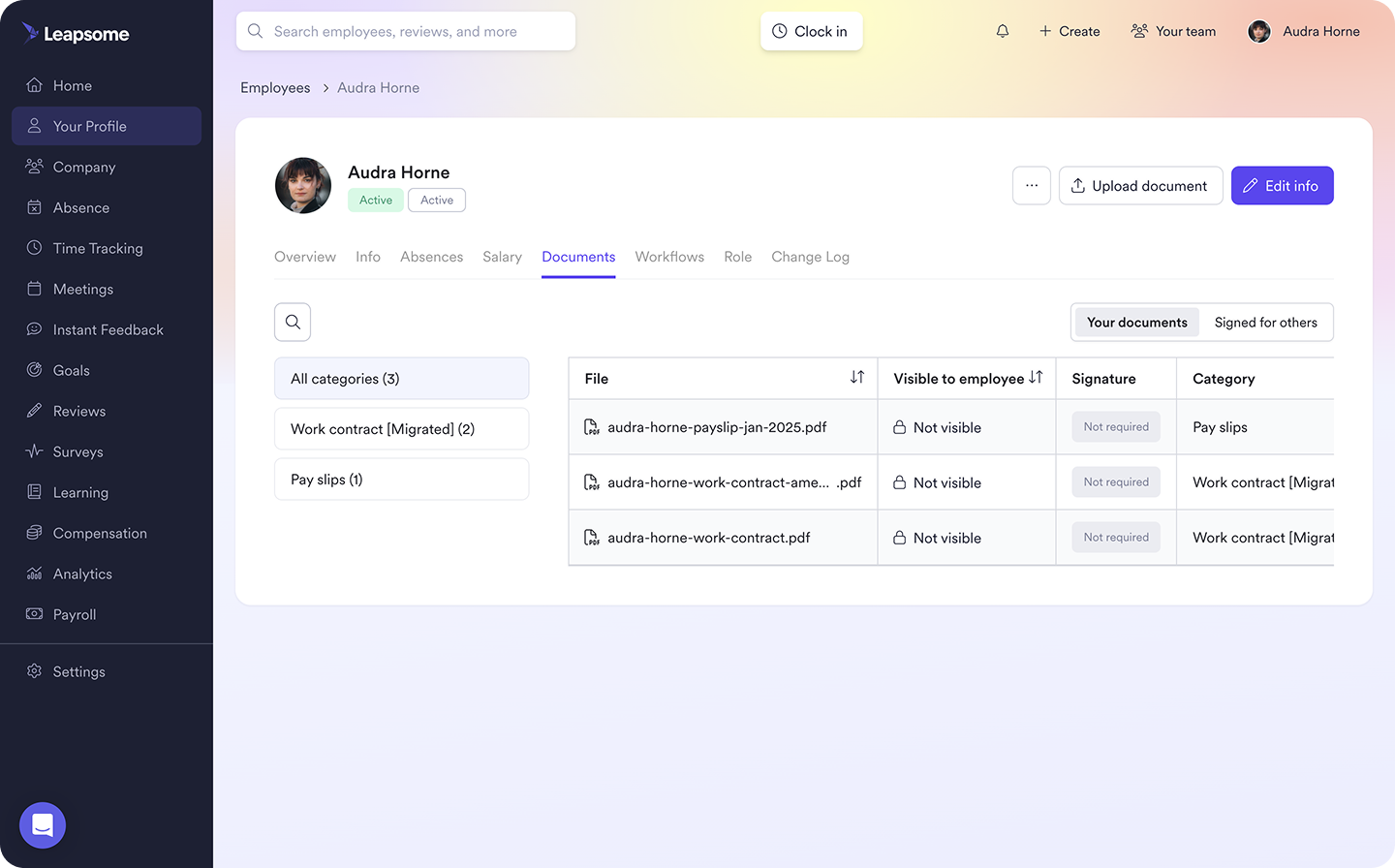
✍️ Verbringt nicht mehr Zeit mit Papierkram als nötig
Startet Preboarding mit einer soliden administrativen Grundlage: Sammelt, speichert und verfolgt alle Unterlagen neuer Mitarbeitender an einem Ort.
👉 Entdeckt Dokumente & E-Signatur
Den richtigen Ton treffen: Kultur und Kommunikation
Schickt jeder neuen Mitarbeiterin und jedem neuen Mitarbeiter eine herzliche, beruhigende Willkommens-E-Mail mit dem Plan für den ersten Tag und den wichtigsten Ansprechpersonen. Ergänzt ein FAQ mit häufigen Fragen aus dieser Phase, etwa wohin man sich am ersten Tag wenden soll und wie der Dresscode aussieht.
Teilt außerdem Links zum Handbuch und zum Organigramm. Das hilft neuen Mitarbeitenden, die Unternehmenskultur zu verstehen und zu sehen, wie ihre Rolle in die Teamstruktur passt.
Die neuen Mitarbeitenden willkommen heißen: Verbindung und Vorbereitung auf Tag eins
Wenn ihr neue Mitarbeitende frühzeitig mit Führungskräften und Kolleg*innen bekannt macht, auch wenn es digital passiert, schafft ihr die Grundlage für Verbindung und Zugehörigkeit. Lasst dazu zuerst das Team der neuen Mitarbeitenden eine Willkommensnachricht zusammenstellen.
Weist den neuen Mitarbeitenden danach eine Buddy-Person zu, an die sie sich mit Fragen und für Rat wenden können. Außerdem empfiehlt sich ein abschließendes HR-Check-in, bei dem die neuen Mitarbeitenden letzte Fragen stellen können.
✅ Macht euren Preboarding-Prozess wasserdicht
Vor dem ersten Tag gibt es viel zu tun. Baut mit unserer Preboarding-Checkliste einen Prozess auf, der alles Wichtige abdeckt.
👉 Jetzt die Checkliste herunterladen
Von der Vertragsunterschrift zum engagierten Start mit Leapsome
Effektives Preboarding in der Praxis umzusetzen, ist eine Herausforderung: Aufgaben verteilen sich über E-Mails, Slack-Kanäle und Tabellen, während die Verantwortung nur in den Köpfen der Teammitglieder existiert. Ohne verbundenes System werden selbst die durchdachtesten Preboarding-Programme schnell inkonsistent. Hinzu kommt, dass HR kaum Einblick in die Schwachstellen des Programms hat.
Die HRIS- und People-Management-Plattform von Leapsome vereint alles, was ihr braucht, in einem System, darunter:
- Pre-boarding-Workflows, die Willkommensnachrichten und Aufgabenerinnerungen automatisch ausführen
- Dokumentenmanagement, das Verträge, Compliance-Formulare und E-Signaturen an einem zentralen Ort verbindet
- Automatisierte Aufgabenzuweisung, die Verantwortlichkeiten abteilungsübergreifend klar macht
„Jetzt, wo wir das HRIS und das Feedback- und Reviews-Modul in einem Tool haben, hilft uns das bei der Automatisierung verschiedener Workflows und auch bei Erinnerungen. Es ist wirklich praktisch, alles in einem Tool zu haben, mit einem Dashboard für To-dos und Checklisten.“ Sonja Grabner, People and Culture Lead bei BEAT81
🤖 Ersetzt manuelle Workflows durch standardisierte Exzellenz
Kombiniert individuell gestaltetes Preboarding mit automatisiertem Dokumentenmanagement, Erinnerungen und Aufgabenlisten für einen Prozess, der Ergebnisse liefert, ohne viel manuellen Aufwand.
👉 Demo anfordern



.png)