Faire, rechtssichere Abmahnungen ohne Vorurteile


Eine Abmahnung auszusprechen, ist für niemanden angenehm. Aber es gibt Wege, diese Situation so zu gestalten, dass das Unternehmen rechtlich abgesichert ist und sich die Mitarbeitenden trotzdem ernst genommen und respektiert fühlen.
Ein besserer Prozess beginnt damit, dass ihr Abmahnungen nicht mehr nur als Disziplinarmaßnahme begreift. Wenn ihr sie als Chance für Entwicklung versteht, verhindert ihr eine Kultur der Angst, die Talente vertreibt und dem Ruf des Unternehmens schadet. Studien zeigen außerdem: Wer ein konsistentes, standardisiertes Performance-Management einsetzt, sieht in der Regel bessere Ergebnisse bei den Mitarbeitenden und einen besseren Zielabgleich.*
Dieser Leitfaden erklärt, wie ihr eine Abmahnung verfasst, die Mitarbeitenden einen klaren Weg zeigt, aus Fehlern zu lernen.
* The Talent Strategy Group, 2026
Was ist eine Abmahnung am Arbeitsplatz?
Mit einer Abmahnung dokumentiert HR Leistungsprobleme und Fehlverhalten. Abmahnungen werden zwar häufig als Disziplinarmaßnahme eingesetzt, ihr könnt sie aber auch nutzen, um Leistung nachzuverfolgen und Feedback für Verbesserungen zu geben.
„Feedback fördert nicht nur kontinuierliches Lernen, sondern liefert auch klare Kennzahlen und Benchmarks, die Teams dabei helfen, den Fortschritt zu gemeinsamen Zielen zu verfolgen."
– Mona Andrews, CEO von Stay In The Game, für Forbes
Beachtet: Abmahnungen sind etwas anderes als Leistungsverbesserungspläne (PIPs). Letztere skizzieren strukturierte Verbesserungsstrategien über einen längeren Zeitraum, während Abmahnungen sich auf konkrete Momente konzentrieren. Sie unterscheiden sich auch von einer Kündigung, weil eine Abmahnung eingreift, bevor eine Situation den Point of no Return erreicht.
Wann braucht ihr eine Abmahnung?
Eine Abmahnung ist ein sensibler Prozess, und manchmal reicht auch eine mündliche Ermahnung. Sorgt für klare, einheitliche Regeln, wann eine Abmahnung sinnvoll ist, und kommuniziert die Richtlinien transparent, damit niemand überrascht wird.
Vorfälle, die eine Abmahnung rechtfertigen
People Leader nutzen Abmahnungen typischerweise bei:
- Leistungsproblemen: Eine Abmahnung schafft die Dokumentation, die ihr später vielleicht braucht, wenn sich die Leistung nicht verbessert.
- Richtlinienverstößen und Anwesenheitsmustern: Wenn jemand wiederholt zu spät kommt oder gegen Unternehmensrichtlinien verstößt, dokumentiert eine schriftliche Abmahnung, dass die Person informiert war und die Konsequenzen kannte.
- Fehlverhalten: Themen wie Belästigung oder beleidigende Sprache machen den Arbeitsplatz unsicher. Eine sorgfältige Dokumentation von Beschwerden stärkt eure rechtliche Position und unterstützt eine Kultur der Verantwortlichkeit.
Vorfälle, bei denen ihr wahrscheinlich keine Abmahnung braucht
In diesen Fällen ist eine formelle Abmahnung meist nicht angebracht:
- Einmalige kleinere Verfehlungen: Wenn eine sonst pünktliche Person einmal zwanzig Minuten zu spät kommt, reicht eine mündliche Ermahnung.
- Unklare Erwartungen und fehlende Schulung: Wenn jemand eine ungeschriebene Erwartung nicht erfüllt, ist es nicht fair, das zu sanktionieren. Dasselbe gilt, wenn jemand Leistung verfehlt, weil ihm eine Fähigkeit fehlt, für die er nie eingestellt oder geschult wurde.
- Systemische Probleme: Wenn jemand wegen organisatorischer Probleme außerhalb seiner Kontrolle Schwierigkeiten hat, verschleiert eine Schuldzuweisung das eigentliche Problem. Solche Vorfälle sollten euch stattdessen anstoßen, Schwachstellen in Prozessen oder Schulungen aufzudecken und zu beheben.
So baut ihr einen fairen Abmahnungsprozess auf
HR-Verantwortliche sollten Unternehmensstandards für Abmahnungen definieren, die subjektive Voreingenommenheit eindämmen, rechtliche Belastbarkeit maximieren, ein sicheres Arbeitsumfeld fördern und Dokumente konsistent halten. So bekommt ihr alle Punkte unter einen Hut.
Alle auf den gleichen Stand bringen
Ohne gemeinsame Standards entstehen bei Abmahnungen Lücken in Fairness und Rechtssicherheit. Erstellt eine Vorlage, die alle Felder standardisiert, die eine Abmahnung enthalten soll: Beschreibung des Vorfalls, einschlägige Richtlinien, vorherige Coachings oder Verwarnungen und Korrekturmaßnahmen.
Außerdem solltet ihr klar definieren, was eine Abmahnung auslöst: Welche Verhaltensweisen oder Leistungsprobleme rechtfertigen eine formelle schriftliche Verwarnung? Wir empfehlen, hier feste Regeln zu setzen und Führungskräfte darin zu schulen, diese konsistent anzuwenden. Eine HR-Plattform, die eure Dokumentation zentralisiert, macht es einfach zu überprüfen, wie der Abmahnungsprozess tatsächlich gelebt wird.
Führungskräfte zu (so) Objektivität (wie möglich) schulen
Führungskräften zu sagen „bleibt bei den Fakten" ist ein Anfang, unterschätzt das Problem aber. Unbewusste Vorurteile (Fehleinschätzungen, die auf unbewussten Vorurteilen und verzerrten Eindrücken beruhen) sind im Arbeitsalltag weit verbreitet und schwer zu erkennen. Diese Vorurteile können Leistungsbewertungen direkt beeinflussen, auch Häufigkeit und Genauigkeit von Abmahnungen, mit Folgen wie ungerechten Beförderungen oder Disziplinarmaßnahmen.
Das zeigt sich oft in der Sprache, die euer Team in Abmahnungen verwendet. In einer Studie von Textio aus 2024 wurde zum Beispiel festgestellt: Bei Performance-Feedback werden Männer viermal so häufig positiv als „sympathisch" stereotypisiert wie andere Geschlechter. Und Menschen, die als weiß oder asiatisch wahrgenommen werden, werden doppelt so häufig als „intelligent" beschrieben.
Diese typischen Vorurteile am Arbeitsplatz sollte euer Team kennen:
- Recency Bias: Wenn die jüngste Leistung einer Person die aktuelle Bewertung überproportional beeinflusst
- Affinity Bias: Wenn Personen, die sich von einem selbst unterscheiden (anderer Hintergrund, weniger gemeinsame Interessen, etc.), strenger bewertet werden
- Identity Bias: Wenn jemand auf Basis von Identitätsmerkmalen wie Geschlecht, Herkunft oder Religion bewertet wird
Dokumente leicht auffindbar machen
Verteilte Daten führen verlässlich zu schlechten Entscheidungen. Verwaltet eure Dokumentation deshalb zentral in einer HR-Plattform, inklusive Abmahnungen, für mehr Konsistenz und bessere Transparenz über Leistungsmuster.
Auch aus Compliance-Sicht ist das relevant: 55 % der Unternehmen nutzen mittlerweile HR-Tech für Compliance, doppelt so viele wie 2023. Mit einer sicheren Plattform wie Leapsome haltet ihr euren Abmahnungsprozess compliant.
Wachsam bleiben und kontinuierlich verbessern
Überprüft euren Prozess regelmäßig auf Schwachstellen. Bei leistungsbezogenen Abmahnungen könnt ihr zum Beispiel auswerten, ob die Mitarbeitenden ausreichend Anleitung bekamen und wie oft sie sich verbessert haben. Wenn die Antworten nicht überzeugen, findet die Ursachen heraus und passt den Prozess an.
Vorurteile in Abmahnungen abzubauen ist ein dankbarer Schwerpunkt. Rund 61 % der HR-Profis haben ihre Bemühungen zum Abbau von Bias verstärkt, mehr als die Hälfte der HR-Teams räumt aber ein, dass noch deutliche Lücken bleiben. Schickt euer HR-Team in formelle Bias-Trainings oder lasst Abmahnungen in Blind Reviews prüfen, um mögliche Verzerrungen zu finden.
✍️ Alle Daten zentralisieren
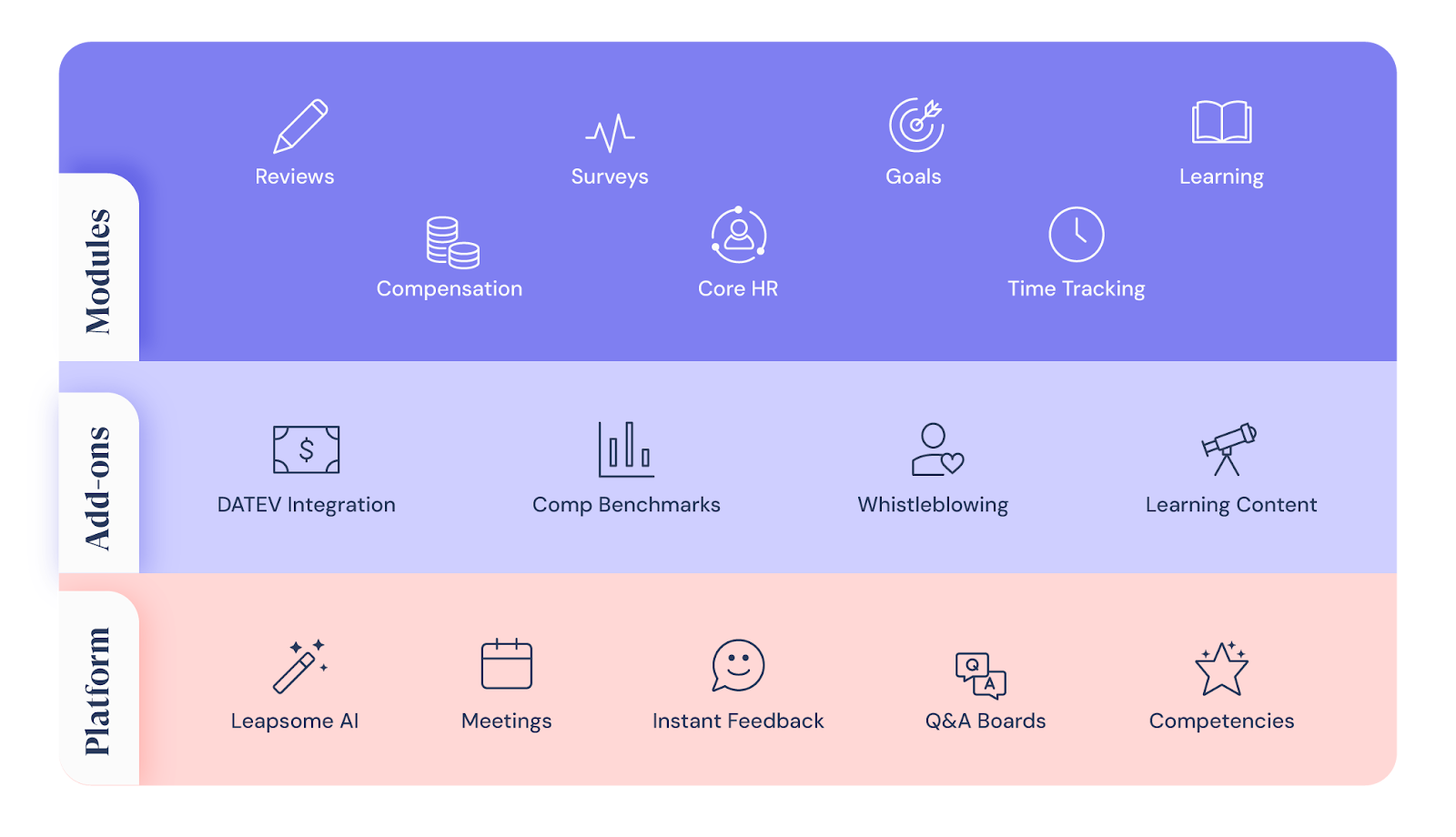
Leapsomes Mitarbeiterprofile liefern eine zentrale Datenquelle, halten alles synchron und sichern eure Audit-Bereitschaft rund um die Uhr.
👉 Mitarbeiterprofile von Leapsome entdecken
Sechs Schritte für eine wirksame Abmahnung
So baut ihr in sechs klaren Schritten Abmahnungen auf, die fair und faktenbasiert sind.
1. Alle Fakten zusammentragen
Sammelt alle relevanten Informationen, um den Rahmen zu setzen:
- Datum und Uhrzeit des Vorfalls
- Eine detaillierte Beschreibung
- Betroffene Performance-Kennzahlen
- Bereits erfolgtes Coaching
- Frühere Performance Reviews
2. Den Sachverhalt ohne Vorurteile beschreiben
Coacht Führungskräfte dazu, sich auf beobachtbares Verhalten zu konzentrieren und Vorurteile außen vor zu lassen. Das ist besonders wichtig bei Abmahnungen wegen Arbeitsverweigerung, wo es verlockend ist, der Person das Schlechteste zu unterstellen.
So sieht eine schlechte Abmahnung aus:
Beschreibung: Michael hat seine Vertriebsziele wieder einmal verfehlt. Er zeigt durchweg eine gleichgültige Einstellung zur Leistung, und seine schlechten zwischenmenschlichen Fähigkeiten hinterlassen eine Spur unzufriedener Kunden und vergeudeter Leads.
Diese Abmahnung ist nicht hilfreich, weil sie sich auf die persönliche Meinung der Führungskraft stützt. Hier ein alternatives Beispiel, das bei den Fakten bleibt:
Beschreibung: Michael hat sein Monatsziel den dritten Monat in Folge verfehlt. Nach dem ersten Monat erhielt er eine mündliche Ermahnung. Nach dem zweiten Monat absolvierte Michael ein individuelles Training zur Verbesserung seiner zwischenmenschlichen Fähigkeiten, und sein Ziel wurde von 30 auf 25 reduziert.
3. Die Konsequenzen klar benennen
Erklärt, welche negativen Folgen der Vorfall hatte. Das leitet die Korrekturmaßnahmen. Folgen können messbar sein (geringe Produktivität, verfehlte Ziele) oder qualitativ (zum Beispiel ein unsicheres Arbeitsumfeld).
4. Der betroffenen Person Gehör geben
Holt die Sicht der betroffenen Person ein und bittet sie, offen zu sagen, was aus ihrer Perspektive das Problem verursacht hat. Das hilft euch, das Geschehen besser zu verstehen und die Abmahnung fair zu halten.
5. Die Wurzel des Problems erkennen
Wenn ihr den Sachverhalt verstanden habt, prüft Unterlagen wie Unternehmensrichtlinien und Mitarbeiterhandbücher. Findet genau heraus, wo Verhalten und Erwartungen auseinandergehen, damit ihr klar benennen könnt, was sich ändern muss und wie ihr den Erfolg messt.
6. Nächste Schritte skizzieren
Erstellt einen Plan für die Umsetzung von Korrekturmaßnahmen oder zusätzlichem Training. Stimmt euch bei Bedarf mit anderen Teams oder Abteilungen ab und gebt der betroffenen Person klare Schritte für die Verbesserung an die Hand.
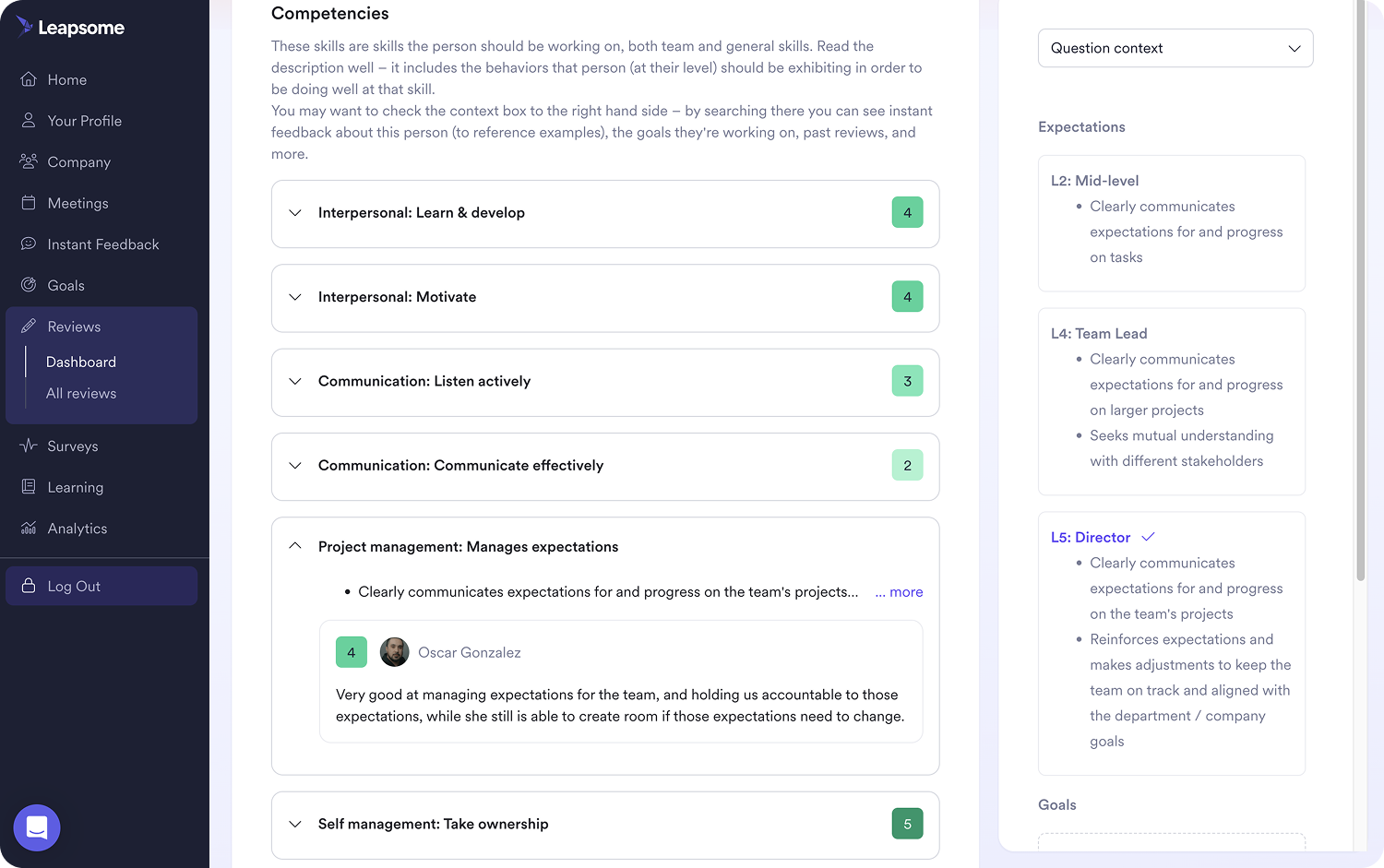
📈 Performance im gesamten Unternehmen stärken
Leapsome zentralisiert Performance-Historie, Feedback und Coaching-Pläne für einfachere Follow-ups und Leistungsnachverfolgung.
👉 So treibt Leapsome Performance voran
Was in eure Abmahnungs-Vorlage gehört
Belastbare Dokumentation lebt von Konsistenz und Objektivität. Damit das gelingt, sollten Abmahnungen diese Elemente enthalten:
- Angaben zur Person: Alle relevanten Daten: Name, Position, Abteilung, Vorgesetzte.
- Beschreibung: Wann der Vorfall stattfand, eine objektive Beschreibung und welche Unternehmensrichtlinien verletzt wurden.
- Konsequenzen: Wie der Vorfall das Unternehmen beeinflusst hat.
- Aktionsplan: Die nächsten Schritte zur Lösung.
- Feedback der Mitarbeitenden: Kommentare der betroffenen Person zu den Umständen, die zum Vorfall geführt haben.
- Bestätigung: Alle Beteiligten unterschreiben und datieren die Abmahnung.
📈Vereinfacht euren Abmahnungsprozess
Ihr habt genug zu tun. Erstellt eure Abmahnungsvorlage nicht von Grund auf neu, sondern startet mit unserer Vorlage und passt sie an eure Ziele an.
👉 Vorlage jetzt herunterladen
Rechtliche und Compliance-Aspekte von Abmahnungen
Abmahnungen schaffen eine Dokumentationskette, die euer Unternehmen compliant hält. Das ist entscheidend, wenn ihr mit schwerwiegenden Vorwürfen wie Diskriminierungsklagen konfrontiert werdet.
Die Regeln für Dokumentations-Compliance unterscheiden sich je nach Rechtsraum. In Ländern mit „at-will employment" braucht ihr vor einer Kündigung manchmal keine Abmahnung. In anderen Rechtsräumen drohen ohne die richtigen Unterlagen rechtliche Konsequenzen. Arbeitet eng mit eurem Legal-Team zusammen, um länderspezifische Vorgaben in euren Abmahnungsprozess einzubauen.
Wie Abmahnungen in Performance- und Entwicklungsgespräche passen
Die besten Abmahnungssysteme zielen nicht auf Strafe. Sie dokumentieren Kontext und Leistungsverlauf als Grundlage für Verbesserungspläne und kontinuierliches Feedback.
„Feedback geht nicht nur um Korrektur, es geht um Entwicklung. Zuerst baut ihr psychologische Sicherheit auf, dann gebt ihr Feedback über Fragen und Neugier, nicht über Anweisungen."
– Anja Schauer, Global Head of Customer Success bei Leapsome
Dieser Ansatz hat messbare Wirkung: In Organisationen mit kontinuierlichem Feedback steigt das Mitarbeiterengagement um bis zu 14 %. Macht aus Abmahnungen einen Performance-Hebel, indem ihr Feedback durch Führungskräfte priorisiert und Follow-ups plant, um Fortschritt zu messen.
Mit Leapsome aus Vorfällen Entwicklungschancen machen
Eine starke HRIS-Plattform ist das Rückgrat jedes konsistenten, performance-orientierten Abmahnungssystems. Wenn ihr eure Dokumentation mit Leapsome zentralisiert, ist jede Abmahnung nachvollziehbar und audit-ready. Leapsomes integrierte Analytics helfen euch zusätzlich dabei, problematische Muster zu erkennen und gezielt anzugehen.
„Unser Hauptziel mit den Reviews war es, eine Kultur des kontinuierlichen Feedbacks zu etablieren und sicherzustellen, dass die verschiedenen Inputs strukturiert verknüpft werden. Mit dieser intuitiven, nutzerfreundlichen Plattform und der Möglichkeit, auf erhaltenes Feedback zurückzugreifen, verstehen unsere Mitarbeitenden, wohin ihre nächsten Karriereschritte bei Flink gehen."
– Theresa Bothe, Head of Organizational and People Development
🧑💼 Verändert eure HR-Abteilung
Baut mit Leapsome eine zentrale Datenquelle für alle eure Daten und automatisiert die aufwendigsten Teile eurer HR-Arbeit.
👉 Demo buchen
FAQ
Was sind typische Gründe für eine Abmahnung?
Häufige Gründe sind Leistungsprobleme, Anwesenheitsprobleme, Verstöße gegen Unternehmensrichtlinien und unsicheres Verhalten am Arbeitsplatz.
Gibt es eine Vorlage für Abmahnungen?
Jede HR-Abteilung sollte eine eigene, angepasste Abmahnungsvorlage haben. Sie enthält Basisdaten wie Datum und verletzte Richtlinien sowie Felder für detaillierte Beschreibungen und Aktionspläne.

.png)